A water treatment system is easy to appreciate when everything works as expected. The water tastes better, mineral deposits become less troublesome, and appliances or equipment can operate with fewer interruptions. But what happens when the filter becomes clogged, water pressure drops, or those familiar stains begin appearing again?
It’s a situation many property owners eventually face. Installing suitable equipment is an important first step, but it isn’t the end of the story. Like a vehicle, a heating system, or any other equipment used regularly, water treatment systems need attention to keep performing properly.
The good news is that maintenance doesn’t have to be difficult. Understanding a few basic principles, recognizing early warning signs, and following a sensible service schedule can help you protect your investment and avoid unnecessary frustration.
Why Regular Maintenance Matters
Water treatment equipment works by removing, reducing, or managing particular substances in the water. Depending on the technology, that may involve trapping sediment, passing water through activated carbon, exchanging hardness minerals, or using a membrane to reduce dissolved substances.
Over time, these components experience wear or become less effective. A sediment filter gradually collects particles. Carbon media can lose its capacity to reduce certain compounds, while reverse osmosis membranes may require replacement as performance changes. Pumps, valves, seals, and connections can also develop problems.
Ignoring these changes doesn’t always cause an immediate failure. Sometimes, the system simply becomes less effective, and the signs are subtle. Water may develop an unusual taste, pressure may decline, or scale may slowly return to fixtures and appliances.
Regular service & maintenance helps identify these issues before they become bigger problems. A scheduled inspection can check the condition of filters, examine connections for leaks, and confirm that the system is operating according to its intended specifications.
For households, this can mean fewer unpleasant surprises. For businesses, farms, and commercial properties, consistent maintenance may also help limit operational interruptions and keep water treatment equipment suitable for its intended use.
Understanding Hard Water and Scale Buildup
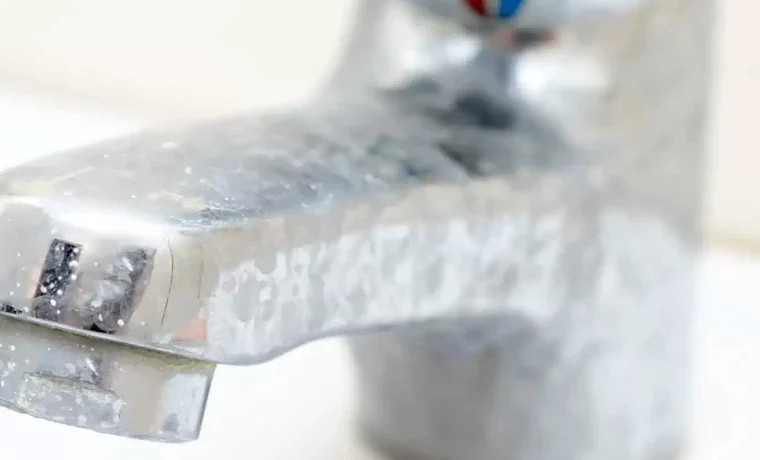
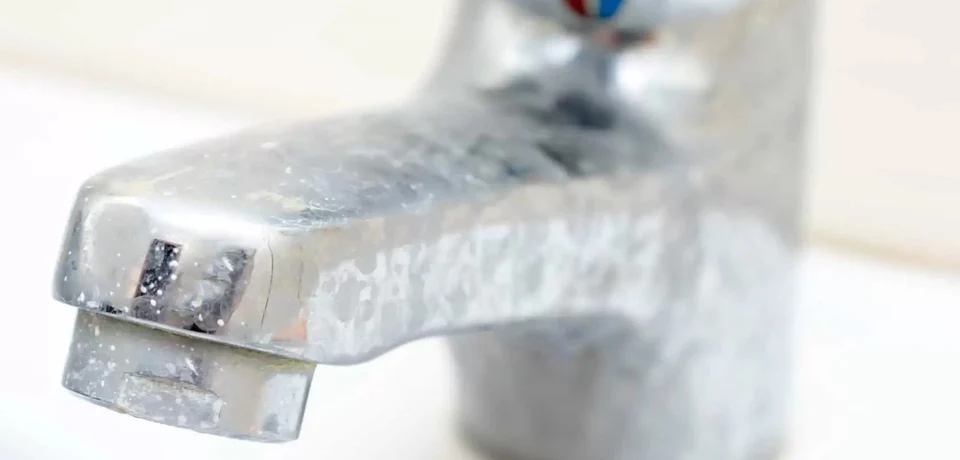
Hard water is one of the most familiar water quality concerns. It contains elevated concentrations of dissolved calcium and magnesium, which can leave pale deposits around taps, shower screens, kettles, and other surfaces. Those marks might look harmless, but repeated mineral accumulation can become a nuisance.
Inside plumbing and heating equipment, scale can restrict flow or interfere with heat transfer. The actual effect depends on the hardness level, temperature, water use, and equipment design. Over time, affected components may need more frequent cleaning or servicing.
This is why hard water & scale buildup deserve attention when planning a treatment system. A conventional ion-exchange water softener can reduce calcium and magnesium by exchanging them for sodium or potassium ions. However, a softener isn’t a universal purifier, and it doesn’t remove every dissolved contaminant.
If scale returns after a softener has been installed, don’t immediately assume the equipment has failed. The cause could be an incorrect setting, insufficient capacity, a salt supply issue, a maintenance problem, or water bypassing the treatment unit. Testing the water before and after treatment can help clarify what’s happening.
It’s also worth checking the manufacturer’s instructions rather than changing settings at random. An appropriately sized system, maintained according to its specifications, is generally more useful than one repeatedly adjusted without understanding the cause of the problem.
Water Quality Problems Aren’t Always Visible
Visible deposits and unpleasant odors are frustrating, but some of the most important water quality concerns cannot be identified by sight or smell. Water may appear perfectly clear while containing substances that require testing.
Depending on the source, relevant concerns may include bacteria, nitrates, lead, arsenic, or other contaminants. Private wells and borewells deserve particular attention because their quality can vary with environmental conditions, nearby land use, and seasonal changes. Municipal water users may also need testing when water quality changes unexpectedly or when a specific concern arises.
Understanding contaminants & health concerns begins with appropriate testing rather than guesswork. The tests required depend on the water source and the substances that may be present. When health-related contamination is suspected, use a qualified laboratory and follow advice from the relevant public health authority.
A basic household filter shouldn’t be assumed to make unsafe water safe. Different technologies target different substances, and a filter certified for improving taste may not be certified to reduce lead, arsenic, or microorganisms. Always check the exact performance claims for the product being considered.
If contamination is confirmed, select treatment specifically suited to the identified substance. Continue monitoring the source as recommended, even after installing equipment. Treatment is an important part of managing water quality, but it doesn’t eliminate the need for testing.
Simple Checks That Can Prevent Bigger Problems
You don’t need to be a technician to notice when something seems unusual. A few routine observations can help you decide when professional attention may be needed.
Start by looking for leaks around pipes, housings, and connections. Check whether water pressure has changed and pay attention to unusual noises from pumps or valves. If the treated water develops a new odor, taste, or appearance, investigate rather than assuming the system will correct it automatically.
Next, review the replacement schedule. Different filters and membranes have different service lives, and the actual interval may depend on water quality and usage. A household with high sediment levels, for example, may need more frequent sediment-filter changes than a property with relatively clear incoming water.
Keep a simple record of service dates and any changes you notice. A note on your phone is enough for most homes. Commercial facilities with several treatment units may benefit from a more structured maintenance log so that inspections and replacements aren’t overlooked during busy periods.
One important point: don’t open pressurized housings or attempt electrical repairs unless you have the appropriate knowledge and equipment. Follow the manufacturer’s shutdown instructions and contact a qualified technician when a task falls outside routine user maintenance.
Choosing a Reliable Water Treatment Service Provider
When professional servicing is needed, clear communication matters. A dependable provider should be able to explain what has been inspected, which components need attention, and why a particular repair or replacement is recommended.
Before arranging a service visit, describe the symptoms as accurately as possible. Mention when the issue started, whether it affects all taps or only one outlet, and whether you’ve noticed changes in pressure, taste, or odor. These details can help narrow down the possible causes.
Ask whether replacement parts are compatible with your system and whether the proposed work follows the manufacturer’s requirements. It’s also sensible to request an explanation of any recurring issue. Replacing a filter may be necessary, but if filters keep clogging unusually quickly, the incoming water may need further assessment.
For businesses, response times and service availability can be especially important. Discuss maintenance intervals, spare-part availability, and the likely cost of routine visits before agreeing to a long-term arrangement.
The cheapest service isn’t automatically the best value. What matters is whether the work addresses the actual problem, uses suitable components, and leaves you with a clearer understanding of how to care for the equipment.
Planning for Long-Term Performance
Maintenance costs are easier to manage when they’re expected rather than unexpected. Include filter replacements, servicing, electricity, water consumption, and any treatment materials in your overall budget. For systems such as reverse osmosis, consider water efficiency and the disposal of the concentrated wastewater stream. For softeners, account for regeneration requirements and the appropriate supply of salt or potassium chloride.
If your water demand changes significantly, the original system may also need reassessment. A growing household, a new commercial process, or an expansion of agricultural operations can place different demands on equipment. Periodic reviews help confirm that the system still matches the job.
Most importantly, don’t judge performance only by how the water looks or tastes. Where water safety is concerned, testing provides more reliable evidence than appearance alone.
Better Water Starts With Consistent Care
A well-chosen water treatment system can make daily life easier, but its long-term value depends on how well it’s maintained. Filters need attention, components eventually wear out, and changing water conditions may call for a fresh assessment.
Pay attention to early warning signs, follow the recommended service schedule, and seek professional help when a problem goes beyond routine care. If you rely on a private water source, continue testing it at appropriate intervals, even when treatment equipment is working normally.
These steps may seem ordinary, but they can make a meaningful difference over time. Rather than waiting for a major breakdown or a sudden change in water quality, take a steady, practical approach. The aim isn’t simply to keep a machine running; it’s to make sure the system continues doing the job you installed it to do, safely and reliably.