Water is one of those things we rarely think about until something goes wrong. Maybe the shower leaves your skin feeling dry, white spots keep appearing on your kitchen taps, or your drinking water has an unpleasant taste. These little frustrations can become part of everyday life, but they often point to a bigger question: is your home’s water quality as good as it could be?
The good news is that improving household water doesn’t always require a complicated renovation. Understanding what’s in your water, identifying the problems that matter most, and choosing the right treatment can make a noticeable difference. From reducing mineral buildup to improving drinking water quality, a few practical decisions can help protect your plumbing and make daily routines more comfortable.
Why Water Quality Deserves More Attention
Water quality varies considerably from one location to another. Some homes receive water with high concentrations of calcium and magnesium, commonly known as hard water. Others may experience chlorine odors, sediment, or naturally occurring contaminants that affect taste, appearance, or suitability for particular uses.
Even water that looks perfectly clear isn’t necessarily free from unwanted substances. That’s why guessing based on appearance alone isn’t particularly helpful. A household water test can reveal mineral hardness, pH levels, and certain contaminants, helping homeowners understand what needs attention.
The source matters, too. Municipal supplies are generally treated and monitored, but water can still pick up particles or metals as it travels through older plumbing. Private wells introduce different considerations, including bacteria, nitrates, and naturally occurring minerals. Testing requirements should reflect the water source and local conditions rather than relying on a one-size-fits-all approach.
Recognizing the Signs of Hard Water
Hard water is one of the most common household water concerns. You might notice cloudy glassware after washing dishes, stubborn deposits around faucets, or soap that refuses to produce a satisfying lather. Over time, mineral deposits can accumulate inside pipes, water heaters, and other appliances.
These issues are more than cosmetic. Scale buildup can interfere with heat transfer in water heaters and reduce the efficiency of certain appliances. Homeowners may also find themselves spending more on cleaning products because soap residue and mineral spots take extra effort to remove.
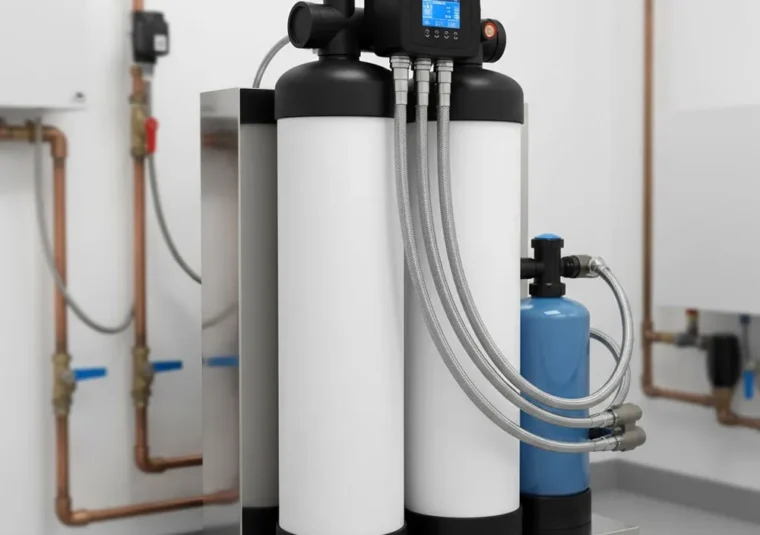
Installing water softeners can help address these problems by reducing the calcium and magnesium responsible for hardness. Many conventional systems use ion exchange, replacing hardness minerals with sodium or potassium ions. The result is water that behaves differently when used for bathing, cleaning, and washing clothes.
However, softening isn’t necessary for every household. If water hardness is low, the cost of installation and maintenance may outweigh the benefits. Testing first helps determine whether a softener is a sensible investment and what capacity the household actually needs.
Keeping Water Softeners Working Properly
A water softener isn’t a completely hands-off appliance. Most traditional systems require periodic replenishment of salt, along with occasional checks to ensure the equipment is regenerating correctly.
For busy homeowners, salt delivery services can make routine maintenance considerably easier. Rather than discovering an empty brine tank when the water starts feeling different, households can arrange regular deliveries based on their system’s consumption and storage capacity.
The right schedule depends on several factors, including water hardness, daily usage, system size, and regeneration settings. A large family using substantial amounts of water will generally consume more salt than a couple living in a smaller home.
It’s also worth remembering that softened water isn’t ideal for every purpose. Some people prefer to keep an unsoftened tap for drinking or cooking, particularly when sodium intake is a concern. Potassium chloride may be an alternative for certain systems, although it can cost more and isn’t suitable for everyone. People following medically prescribed sodium restrictions should consult a healthcare professional about their drinking water options.
Choosing the Right Filtration System
Softening and filtration solve different problems. A softener primarily addresses hardness minerals, while a filter targets specific substances depending on its design and media.
For example, activated carbon filters are commonly used to reduce chlorine taste and odor. Sediment filters capture suspended particles, protecting downstream equipment and improving water clarity. Reverse osmosis systems can reduce several dissolved substances, although their effectiveness depends on the particular unit, installation, and maintenance.
Well-chosen water filtration & treatment systems combine technologies according to the actual water conditions in a home. A household dealing with hard water and an unpleasant chlorine taste might benefit from a softener and a properly rated carbon filter. Another property with a specific contaminant concern may need a certified treatment device designed to reduce that substance.
The important point is to match the equipment to the problem. Buying the most expensive system available doesn’t guarantee better water, and a filter that removes chlorine may not address lead, arsenic, or microorganisms.
Look for independent certification and check the product’s performance claims carefully. Certifications from organizations such as NSF or WQA can help verify that a product meets defined standards. Read the documentation to confirm which contaminants are reduced, under what conditions, and for how long the system is expected to perform.
Don’t Overlook Installation and Maintenance
Even excellent equipment can disappoint when it’s installed incorrectly or neglected. Filter cartridges have limited service lives, softeners require suitable settings, and reverse osmosis membranes need periodic inspection or replacement according to manufacturer guidance.
Maintenance schedules should be based on actual usage and product instructions, not simply on a vague assumption that everything needs changing once a year. Some filters last longer than others, while heavily contaminated source water may shorten their useful life.
Professional installation can be worthwhile when a system requires plumbing changes, drainage connections, or electrical components. An experienced installer should also explain how to bypass the equipment when necessary and identify which household taps receive treated water.
Before committing to a purchase, ask about ongoing expenses. Replacement cartridges, salt, water consumption, servicing, and eventual equipment replacement all contribute to the long-term cost. A system that seems affordable initially may become expensive if its consumables are difficult to find.
Small Habits That Make a Difference
Treatment equipment works best when paired with sensible household habits. Clean faucet aerators periodically to remove accumulated debris. Check for leaks around plumbing connections, and follow recommended maintenance intervals for water heaters and other appliances.
If you’re using a private well, establish a regular testing schedule with an appropriate laboratory. Test after flooding, repairs, or other events that could affect the water supply, and follow local public health guidance for additional testing.
For municipal water users, reviewing the supplier’s water quality report can provide useful background information. Still, a supply report doesn’t necessarily reveal what’s happening inside an individual property’s plumbing, especially in older buildings.
Avoid assuming that bottled water is automatically safer or that every home needs multiple treatment devices. The best solution is usually the simplest setup that reliably addresses the problems identified through testing.
Better Water Starts With Better Information
Improving household water quality is less about buying impressive equipment and more about understanding what comes out of the tap. Hardness, taste, sediment, and specific contaminants each require different approaches, and the right combination depends on the home, the water source, and the people using it.
Start with a reliable water test, compare treatment options carefully, and account for maintenance before making a decision. If installation seems complicated, ask a qualified professional to assess your plumbing and recommend an appropriate configuration.
Clearer glassware, fewer mineral deposits, better-tasting drinking water, and more dependable appliances are worthwhile goals. With a little research and consistent care, better water can become an ordinary part of daily life rather than another household problem waiting to be solved.