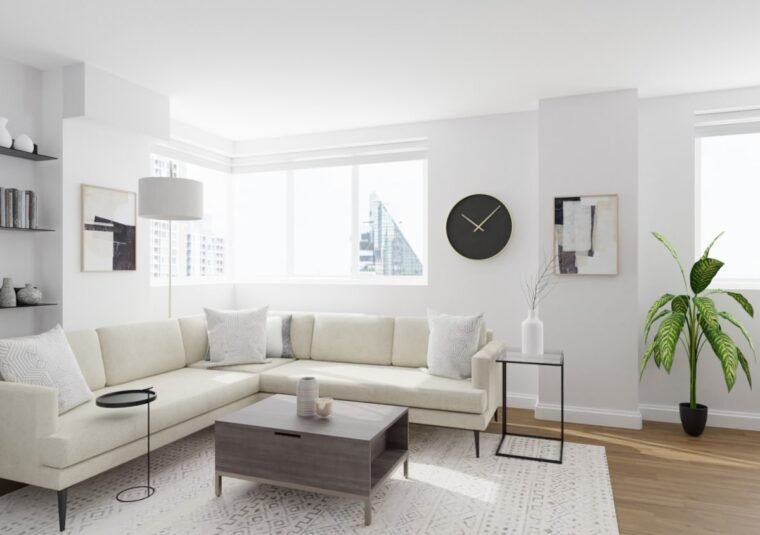
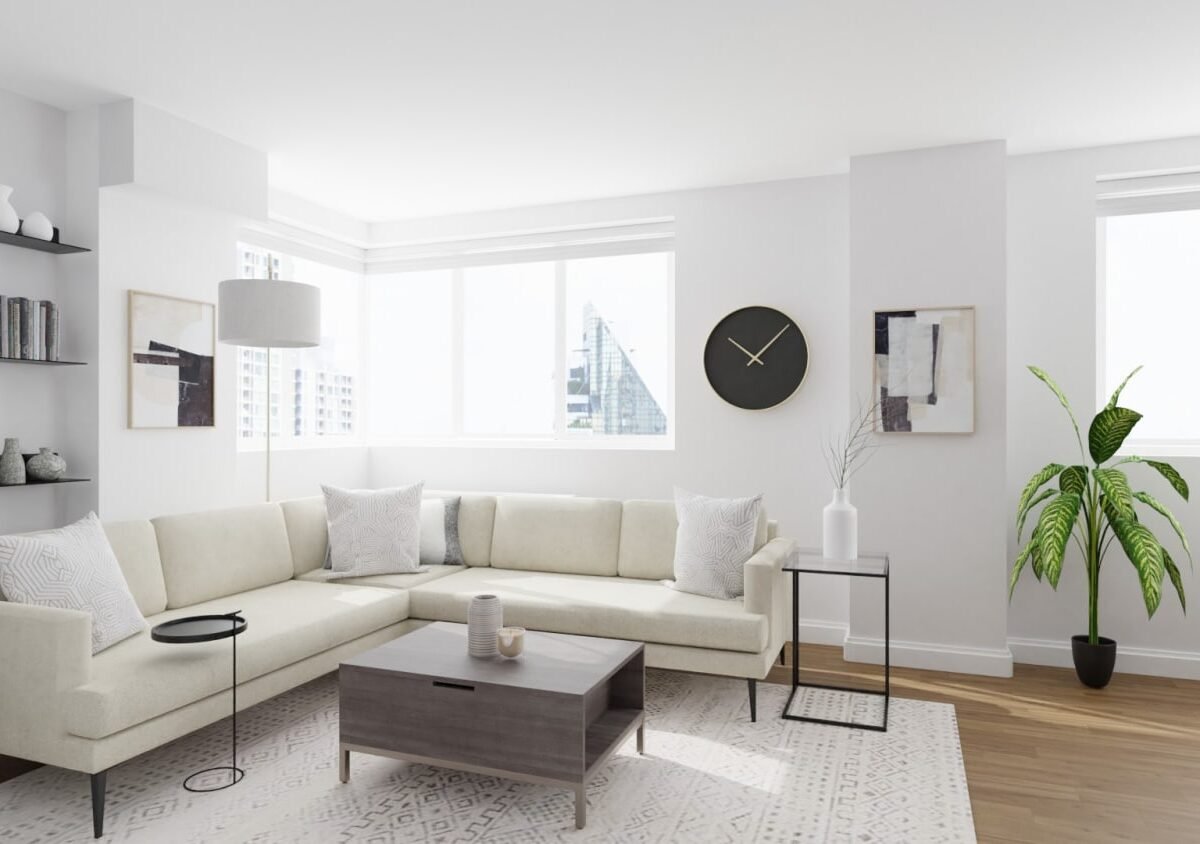
If your home feels cluttered and chaotic no matter how much you clean, a few minimalist home decor principles can completely change how your space feels. Minimalism isn’t about owning nothing — it’s about owning only what adds real value to your life.
Many people assume minimalist design means empty rooms and cold, uninviting spaces. In reality, good minimalist home decor feels warm, intentional, and calming, not bare or clinical.
This guide breaks down practical, room-by-room tips to help you simplify your home without sacrificing comfort or personality. Whether you live in a small apartment or a larger house, these ideas are easy to apply gradually.
What Minimalist Home Decor Really Means
Before diving into tips, it helps to clarify what minimalist home decor actually involves, since it’s often misunderstood.
- It’s about intentional choices, not empty rooms
- It focuses on quality over quantity in furniture and decor
- It prioritizes function and flow, not just aesthetics
- It reduces visual noise so the eye can rest
Minimalism isn’t a strict rulebook — it’s a mindset that helps you keep only what genuinely serves your space and lifestyle.
(Suggested internal link: link to an article on “Small Apartment Decorating Ideas on a Budget”)
Start with a Decluttering Foundation
You cannot build minimalist home decor on top of clutter — decluttering always comes first.
- Go room by room instead of tackling the whole house at once
- Sort items into keep, donate, and discard categories
- Apply the “one year rule” — if you haven’t used it in a year, consider letting it go
- Clear flat surfaces like tables, counters, and windowsills first
Decluttering isn’t a one-time event. Revisiting your space every few months keeps new clutter from building back up.
Choose a Simple, Cohesive Color Palette
Color plays a huge role in how calm or chaotic a minimalist space feels.
- Stick to 2-3 core colors throughout the home
- Use neutral bases like white, beige, or soft grey for walls
- Add one accent color through cushions, art, or a single furniture piece
- Avoid mixing too many bold patterns in the same room
A consistent palette creates visual flow between rooms, which is a core principle of effective minimalist home decor.
Invest in Multi-Functional, Quality Furniture
Minimalist spaces work best when every piece of furniture earns its place.
What to Look For
- Storage beds or ottomans that reduce the need for extra units
- Extendable dining tables for flexible seating
- Simple, clean-lined furniture without excessive ornamentation
- Durable materials that last longer, reducing future replacements
Buying fewer, better-quality pieces is often more cost-effective long-term than replacing cheap furniture repeatedly — a principle many Indian households are increasingly adopting.
(Suggested internal link: link to an article on “How to Choose Multi-Functional Furniture for Small Homes”)
Simplify Wall Decor and Displays
Walls are often where clutter hides in plain sight, even in otherwise tidy homes.
- Choose one focal piece per wall instead of multiple small items
- Use negative space intentionally — empty wall space isn’t wasted space
- Swap rotating photo frames for one or two meaningful pieces
- Keep shelves lightly styled with 3-4 items maximum, not fully packed
Fewer, well-placed items draw more attention and appreciation than a wall crowded with decor.
Create Smart, Hidden Storage Systems
Storage is the backbone of maintaining minimalist home decor over time, since visible clutter quickly ruins a clean look.
- Use closed cabinets instead of open shelving for everyday items
- Add under-bed storage for seasonal clothing or extra linens
- Install wall-mounted units to keep floors clear
- Use drawer dividers to keep small items organized and out of sight
The goal isn’t to hide everything — it’s to give every item a defined home so surfaces stay clear.
Bring in Natural Elements and Texture
Minimalist doesn’t mean lifeless. Texture and natural materials add warmth without clutter.
- Wooden furniture or accents for organic warmth
- Indoor plants like snake plant or areca palm for a living element
- Natural fiber rugs like jute or cotton for texture underfoot
- Linen or cotton curtains for soft, breathable fabric texture
These small additions prevent minimalist spaces from feeling sterile while staying true to the core aesthetic.
Maintain the Look Long-Term
The hardest part of minimalist home decor isn’t achieving it once — it’s maintaining it.
- Apply a “one in, one out” rule for new purchases
- Do a quarterly declutter to catch items that have crept back in
- Pause before buying decor — ask if it adds real value or just fills space
- Involve the whole household so the habit sticks
Consistency matters more than perfection. A slightly imperfect minimalist home maintained regularly beats a picture-perfect one that clutters up again in a month.
Frequently Asked Questions
1. What is minimalist home decor exactly? Minimalist home decor focuses on intentional, functional design using fewer, higher-quality items rather than empty or bare rooms.
2. Is minimalist decor expensive? Not necessarily — it often reduces spending since you buy fewer, better items instead of constantly replacing cheap decor.
3. How do I start decorating my home minimally? Start with decluttering room by room, then choose a simple color palette before adding back only functional, meaningful pieces.
4. Does minimalist decor work for small Indian homes? Yes, minimalist decor is especially effective in small homes since it maximizes visual space and reduces clutter in compact rooms.
5. Can minimalist homes still feel warm and cozy? Absolutely — adding natural textures, plants, and soft textiles keeps a minimalist space warm rather than cold or clinical.
6. How often should I declutter to maintain a minimalist home? A quarterly declutter session is usually enough to prevent items from building back up and disrupting the minimalist look.
Conclusion
Achieving minimalist home decor isn’t about owning less for the sake of it — it’s about creating a home where everything has purpose and everything has its place. From decluttering and a cohesive color palette to smart storage and natural textures, small consistent changes lead to a calmer, more intentional living space.
Start with one room, apply these principles gradually, and let the habit build from there.
Ready to simplify your space? Pick one room and declutter it this weekend using the tips above.