Choosing the right shade for a compact apartment or a cozy house can feel overwhelming. The latest interior paint color trends are helping homeowners transform small spaces into rooms that feel airy, warm, and visually larger than they actually are.
If you’ve ever painted a small room and felt it look even more cramped afterward, you’re not alone. The good news is that with the right color strategy, even a 300-square-foot bedroom can feel open and inviting. In this guide, we’ll walk through the most popular interior paint color trends for small homes this year, along with practical tips to apply them the right way.
Why Paint Color Matters More in Small Homes
In small homes, every design choice has an outsized impact. Unlike larger houses where a bold wall can be balanced by open space, a small room has nowhere for a heavy color to “breathe.”
Paint color affects three things directly:
- Perceived space – Light and cool tones visually push walls back.
- Natural light reflection – Glossy and light finishes bounce light around the room.
- Mood and comfort – Warm tones can make a room feel cozy but also smaller if overused.
This is why staying updated with current interior paint color trends isn’t just about style — it’s a practical space-management tool for small home owners.
(Suggested internal link: link to an article on “Best Space-Saving Furniture for Small Homes”)
Top Interior Paint Color Trends for Small Spaces
1. Soft Neutrals and Warm Whites
Warm off-whites like ivory, oat, and soft beige remain one of the most reliable interior paint color trends for small homes. Unlike stark white, warm whites avoid feeling clinical while still reflecting maximum light.
These shades work especially well in Indian homes with tiled or wooden flooring, as they complement natural textures without competing for attention.
2. Sage Green and Muted Earth Tones
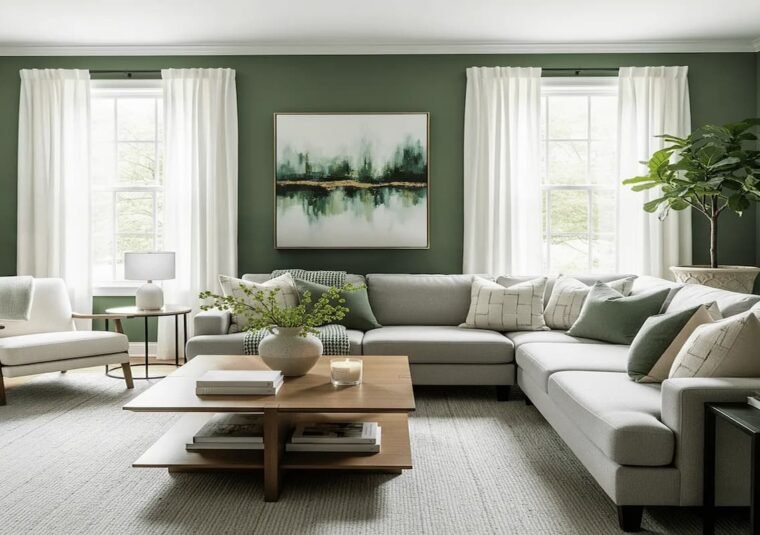
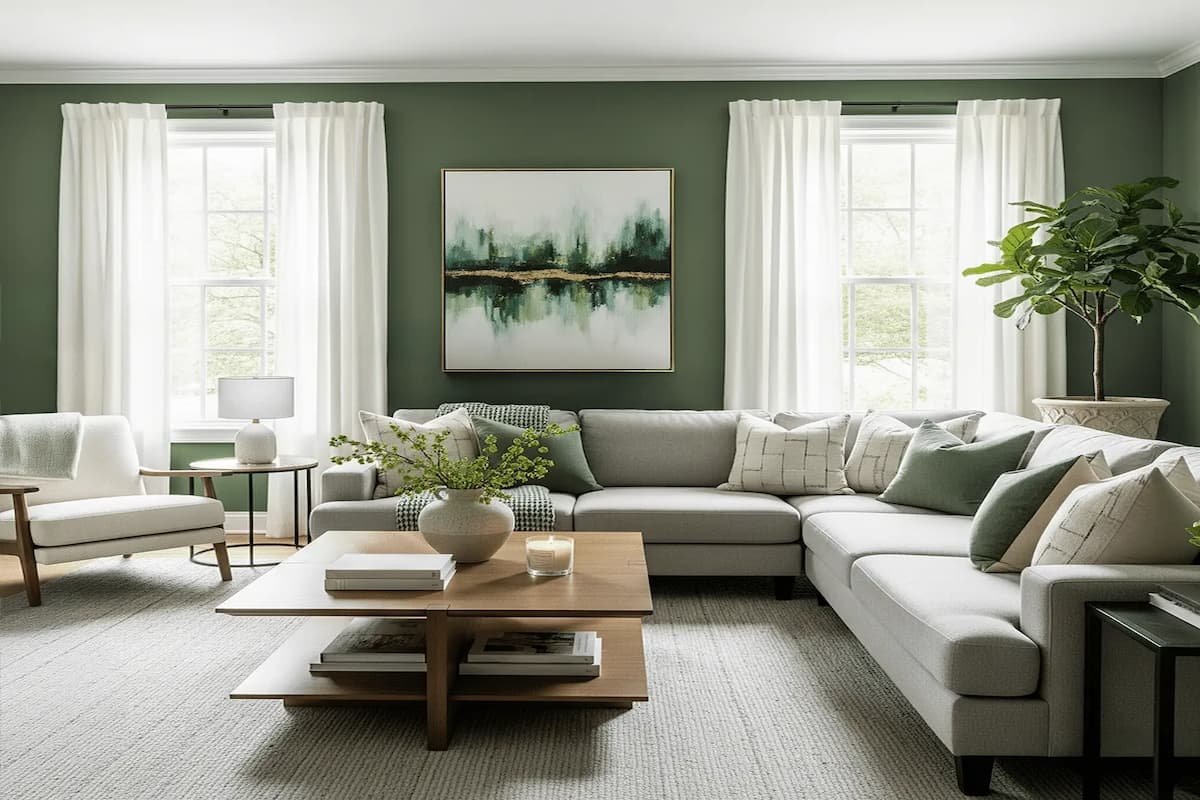
Muted greens like sage, olive, and eucalyptus are trending strongly this year. They bring a calming, nature-inspired feel without overwhelming a small room the way a bright green would.
Sage green pairs beautifully with brass fixtures and wooden furniture, making it a favorite in small living rooms and bedrooms.
3. Soft Greys with Warm Undertones
Cool grey has softened into warmer, beige-based greys — often called “greige.” This trend works well because it’s neutral enough for resale value but still feels current.
Best Colors for Small Bedrooms
Bedrooms benefit from colors that promote calm without shrinking the visual space.
- Pale blue – Reduces visual weight and promotes restfulness
- Blush pink – Adds warmth without darkening the room
- Light lavender – Soft, modern, and gender-neutral
Avoid deep navy or charcoal on all four walls in a small bedroom — reserve dark tones for a single accent wall if you want drama without losing space.
Best Colors for Small Living Rooms
Living rooms need colors that work for both daytime activity and evening relaxation.
- Cream and warm ivory for an airy, welcoming base
- Terracotta accents on a single wall for warmth and character
- Soft sage or olive to bring in a nature-inspired, grounded feel
(Suggested internal link: link to an article on “How to Style a Small Living Room on a Budget”)
Best Colors for Small Kitchens
Kitchens are tricky because of grease, moisture, and limited wall space.
- Butter yellow – Trending again, adds cheerfulness without overpowering
- Soft sage green – Pairs well with wooden cabinets
- Warm white with a satin finish – Easy to clean and reflects light well
Satin or eggshell finishes are recommended over matte in kitchens, since they resist moisture and are easier to wipe down.
How to Use Color Psychology in Small Spaces
Color psychology plays a big role in how a small room feels, even if the square footage doesn’t change.
- Cool tones (blue, green, grey) create a sense of calm and make walls recede
- Warm tones (yellow, terracotta, blush) create coziness but should be used in moderation
- Monochromatic schemes (same color, different shades) create a seamless flow that tricks the eye into perceiving more space
Following current interior paint color trends with an understanding of psychology ensures your small home feels intentional, not accidental.
Practical Tips to Make Small Rooms Look Bigger with Paint
- Paint the ceiling the same color as the walls (a technique called “color drenching”) to remove visual breaks
- Use a glossy or satin finish instead of matte to reflect more light
- Keep trim and walls in similar tones rather than high-contrast white trim
- Test samples on the wall for 2-3 days before committing, since lighting changes color perception throughout the day
- Limit your palette to 2-3 colors per room to avoid visual clutter
Common Mistakes to Avoid When Painting Small Homes
- Using too many dark, saturated colors across all walls
- Ignoring natural light direction when picking undertones
- Choosing trendy colors without considering long-term resale value
- Skipping a sample test and repainting later
(Suggested internal link: link to an article on “Vastu-Friendly Paint Colors for Indian Homes”)
Frequently Asked Questions
1. What is the best paint color trend for small homes right now? Warm neutrals like soft ivory and greige remain the most popular choice, along with sage green as a rising trend for 2026.
2. Do dark colors always make a room look smaller? Not always. A single dark accent wall can add depth without shrinking the room, but using dark shades on all four walls usually reduces perceived space.
3. Which paint finish is best for small rooms? Satin or eggshell finishes work best since they reflect more light than matte, helping rooms feel brighter and larger.
4. Should ceiling color match wall color in small rooms? Yes, matching or closely coordinating ceiling and wall color removes visual breaks and can make the room feel taller and more open.
5. What colors work best for small homes with less natural light? Warm whites, soft yellows, and light beige tones work best, as they compensate for limited daylight and keep the room feeling bright.
6. Is it better to use one color or multiple colors in a small home? A monochromatic or limited palette (2-3 shades) generally works best in small homes, as it creates a seamless, spacious feel.
Conclusion
Keeping up with the latest interior paint color trends doesn’t just keep your home stylish — it’s a practical way to make small spaces feel bigger, brighter, and more comfortable. From warm neutrals and sage greens to smart techniques like color drenching and glossy finishes, small home owners have more tools than ever to maximize their space visually.
Start with one room, test your shades, and apply these trends gradually. If you’re planning a full home makeover, consider consulting a professional painter to help balance trend and function.
Ready to transform your small home? Pick one trending shade from this list and try it on a single accent wall this weekend.