
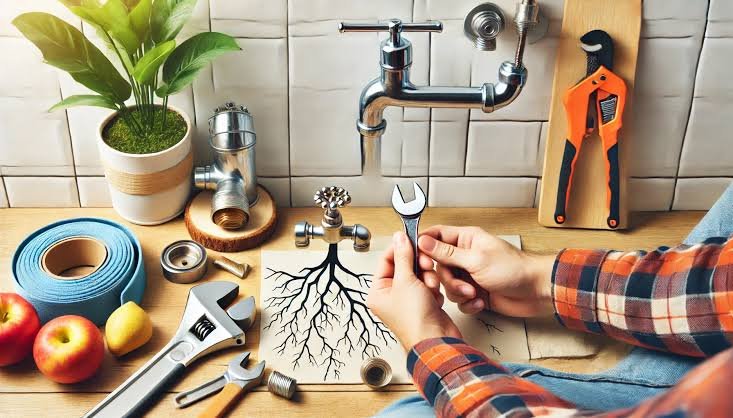
Dealing with common plumbing problems can be frustrating, especially when a plumber isn’t available right away or the repair cost feels too high for a small fix. The good news is that many household plumbing issues can be solved with basic tools and a little patience.
From leaky taps to clogged drains, most common plumbing problems have simple, DIY-friendly solutions that don’t require calling a professional every single time. In this guide, we’ll walk through the most frequent plumbing issues Indian homeowners face and show you exactly how to fix them yourself, step by step.
Why DIY Plumbing Fixes Are Worth Learning
Plumbers can be expensive, and for many households in India, minor plumbing issues occur far more often than major ones. Learning to handle common plumbing problems yourself saves both time and money.
Here’s why DIY plumbing skills matter:
- Avoid paying call-out charges for minor issues
- Fix problems immediately instead of waiting for an appointment
- Prevent small leaks from turning into bigger, costlier damage
- Build confidence in basic home maintenance
Of course, some plumbing problems do need a licensed professional — we’ll point those out too.
Leaky Taps and Faucets
A dripping tap is one of the most common plumbing problems in Indian homes, often caused by a worn-out washer or O-ring.
How to Fix a Leaky Tap
- Turn off the main water supply valve
- Remove the tap handle using a screwdriver
- Unscrew the packing nut and pull out the stem
- Replace the worn rubber washer or O-ring
- Reassemble the tap and turn the water supply back on
A new washer costs very little and can stop a leak that would otherwise waste hundreds of litres of water each month.
Clogged Drains
Clogged drains are another one of the most common plumbing problems, usually caused by hair, soap scum, or food particles building up over time.
Simple Ways to Clear a Clogged Drain
- Pour hot water down the drain to loosen grease buildup
- Use a mixture of baking soda and vinegar, let it sit for 15 minutes, then flush with hot water
- Use a plunger for sink or bathroom drains
- Try a drain snake or wire hanger to physically remove blockages
Avoid harsh chemical drain cleaners too often, as they can damage older pipes over time.
(Suggested internal link: link to a related article on “Natural Ways to Unclog Drains Without Chemicals”)
Running or Leaking Toilets
A running toilet wastes a surprising amount of water daily and is typically caused by a faulty flapper valve or float mechanism.
How to Fix a Running Toilet
- Open the toilet tank and check the flapper valve for cracks or warping
- Replace the flapper if it isn’t sealing properly
- Adjust the float arm so it stops the water at the correct level
- Check the fill valve for wear and replace if necessary
This is one of those common plumbing problems that’s cheap to fix but expensive to ignore, since it directly affects your water bill.
Low Water Pressure
Low water pressure is a common plumbing problem in older Indian homes, often linked to mineral deposits, pipe corrosion, or a partially closed valve.
Fixing Low Water Pressure
- Check if the main shut-off valve is fully open
- Clean the aerator on taps, since mineral buildup often blocks flow
- Inspect the showerhead for limescale and soak it in vinegar overnight
- If the issue is building-wide, it may point to a supply line problem requiring a plumber
Hard water areas in India often see faster mineral buildup, so cleaning fixtures every few months helps maintain steady pressure.
Water Heater Issues
Water heater problems are common plumbing issues, especially during winter months when demand is highest.
Troubleshooting Water Heater Problems
- No hot water: Check if the thermostat is set correctly or if the heating element has failed
- Water too hot or too cold: Adjust the thermostat gradually and test
- Strange noises: Often caused by sediment buildup; flushing the tank annually helps
- Leaking tank: This usually signals internal corrosion and needs professional replacement
Regular maintenance, like flushing sediment once a year, extends the life of your water heater significantly.
(Suggested internal link: link to a related article on “How to Maintain Your Geyser for Longer Life”)
Pipe Leaks and Burst Pipes
Pipe leaks are among the more serious common plumbing problems, since they can cause water damage if left unaddressed.
Temporary Fixes for Pipe Leaks
- Turn off the main water supply immediately
- Dry the pipe area completely
- Apply a rubber patch and pipe clamp, or use plumber’s epoxy putty for small leaks
- Wrap with waterproof pipe tape as a temporary seal
These are short-term fixes only — a burst or seriously damaged pipe should always be inspected and repaired by a professional plumber to avoid recurring damage.
When to Call a Professional Plumber
While many common plumbing problems are DIY-friendly, some situations need expert help:
- Major pipe bursts or extensive water damage
- Sewer line blockages or backups
- Gas line-connected water heater issues
- Persistent low pressure across an entire building
- Any repair involving main water lines
Knowing when to stop DIY attempts and call a professional prevents costly mistakes and potential safety hazards.
(Suggested internal link: link to a related article on “How to Choose a Reliable Plumber Near You”)
Frequently Asked Questions
1. What are the most common plumbing problems in Indian homes? The most common plumbing problems include leaky taps, clogged drains, running toilets, low water pressure, and water heater issues, often linked to hard water and ageing pipes.
2. Can I fix a leaking tap without calling a plumber? Yes, most tap leaks are caused by a worn washer, which can be replaced at home using a screwdriver and a new washer within 15–20 minutes.
3. Why does my drain keep clogging even after cleaning it? Repeated clogs often mean buildup deeper in the pipe. Try a drain snake, or if it persists, a plumber can inspect for deeper blockages or pipe damage.
4. Is it safe to use chemical drain cleaners regularly? No, frequent use of chemical drain cleaners can corrode pipes over time. Natural alternatives like baking soda and vinegar are safer for regular use.
5. How can I improve low water pressure at home? Clean your taps and showerheads to remove mineral deposits, check that valves are fully open, and consider a plumber’s inspection if pressure issues persist building-wide.
6. When should I stop trying a DIY fix and call a plumber? If a leak involves the main water line, if there’s a gas connection involved, or if the problem keeps recurring after multiple attempts, it’s time to call a licensed plumber.
Conclusion
Common plumbing problems don’t always need to end in an expensive service call. With the right tools and a bit of know-how, issues like leaky taps, clogged drains, running toilets, and low water pressure can often be fixed yourself in under an hour.
That said, knowing your limits matters — major leaks, sewer issues, or gas-connected repairs are best left to professionals.
Start by tackling one small plumbing fix this week, whether it’s that dripping tap or a slow drain, and see how much time and money DIY plumbing can save you.