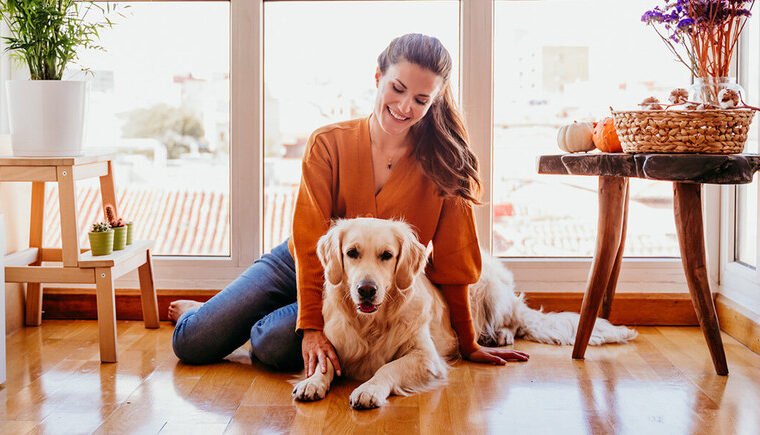
Sharing your home with a furry companion means thinking beyond aesthetics when choosing floors. Finding the best flooring for pets involves balancing durability, safety, and easy maintenance, since everyday wear from paws, claws, and accidents adds up quickly.
The right best flooring for pets protects your investment while keeping your home comfortable for both you and your animal companions. This guide covers practical flooring options, along with what to avoid, so you can make a confident choice for your pet-friendly home.
Why Regular Flooring Isn’t Always Pet-Friendly
Before exploring specific materials, it helps to understand why standard flooring choices often fall short when it comes to the best flooring for pets.
Pets bring unique challenges that many flooring materials simply aren’t designed to handle well.
- Claws can scratch soft or delicate surfaces easily
- Accidents and moisture can damage certain materials permanently
- Slippery surfaces may cause joint strain, especially in older pets
- Odors can absorb into porous materials over time
Understanding these challenges makes it easier to evaluate which flooring types genuinely hold up to daily life with pets.
(Internal link opportunity: link to “Hardwood vs Laminate Flooring” here)
Vinyl Flooring for Pet-Friendly Homes
Vinyl flooring is consistently recommended as one of the best flooring for pets due to its durability and water resistance.
Why it works well:
- Highly scratch-resistant compared to natural wood
- Waterproof or highly water-resistant, ideal for accidents
- Comfortable underfoot, reducing joint strain for pets
- Available in styles that mimic wood or stone
Considerations:
Choose thicker, higher-quality vinyl for better durability, since thinner options may show wear faster in high-traffic areas frequented by active pets.
Tile Flooring for Durability
Tile is another strong contender among the best flooring for pets, particularly for homes in warmer climates.
Advantages of tile flooring:
- Extremely scratch-resistant and durable
- Easy to clean and resistant to stains
- Naturally cool, which pets often appreciate in hot weather
- Doesn’t absorb odors like softer materials
Considerations:
Tile can be slippery, especially when wet, which may not suit older pets or those with joint issues. Adding rugs with non-slip backing in key areas can help.
(Internal link opportunity: link to “Bathroom Renovation Ideas for Small Spaces” here)
Laminate Flooring Options
Laminate flooring offers a budget-friendly option among the best flooring for pets, mimicking the look of hardwood at a lower cost.
Benefits for pet owners:
- More scratch-resistant than natural hardwood
- Easier and more affordable to replace if damaged
- Wide variety of styles and finishes available
- Simple installation process compared to hardwood
Considerations:
Standard laminate isn’t fully waterproof, so accidents need prompt cleanup to prevent warping. Look for water-resistant laminate specifically designed for pet households.
Engineered Hardwood for Pet Owners
For homeowners who want a wood aesthetic, engineered hardwood is a more practical choice among the best flooring for pets compared to solid hardwood.
Why it’s a better fit:
- More resistant to warping from moisture than solid wood
- Can be finished with scratch-resistant coatings
- Offers the authentic look of hardwood with added durability
- Available in various wood species and finishes
Considerations:
While more durable than solid hardwood, engineered hardwood still requires prompt cleanup of accidents and periodic refinishing to maintain its surface.
Flooring Materials to Avoid with Pets
Just as important as knowing the best flooring for pets is understanding which materials tend to cause problems for pet owners.
Materials that often struggle with pets:
- Solid hardwood, which scratches easily and is sensitive to moisture
- Soft carpet, which absorbs odors and stains from accidents
- Polished natural stone, which can become slippery
- Cork flooring, which dents easily under claws and heavy paws
Avoiding these materials in high-traffic pet areas can save significant time and money on repairs or replacements down the line.
Choosing the Right Rugs and Mats
Even with the best flooring for pets, adding rugs and mats strategically can further protect your floors and improve comfort.
Tips for pet-friendly rugs:
- Choose low-pile rugs that are easier to clean
- Use non-slip backing to prevent sliding on smooth floors
- Place mats near feeding areas to catch spills and crumbs
- Wash removable rugs regularly to reduce odor buildup
Rugs also provide extra grip and comfort for pets navigating slippery surfaces like tile or polished flooring.
(Internal link opportunity: link to “Minimalist Home Decor Tips” here)
Maintenance Tips for Pet-Friendly Floors
Choosing the best flooring for pets is only part of the equation — proper maintenance keeps floors looking good for years.
General maintenance practices:
- Sweep or vacuum regularly to remove fur and dirt
- Clean up accidents immediately to prevent staining or odor absorption
- Trim your pet’s nails regularly to reduce scratching
- Use pet-safe cleaning products to avoid harmful chemical exposure
Consistent maintenance extends the lifespan of any flooring material, regardless of how durable it is initially.
Suggested Image Placements
- Image 1: Dog lying on vinyl plank flooring — Alt text: “best flooring for pets vinyl plank”
- Image 2: Cat walking on tile flooring — Alt text: “best flooring for pets tile durability”
- Image 3: Pet-friendly rug with non-slip backing — Alt text: “best flooring for pets non-slip rug”
Frequently Asked Questions
1. What is the best flooring for pets that scratch a lot? Vinyl and tile flooring are among the best flooring for pets with heavy scratching tendencies, since both resist claw damage significantly better than hardwood.
2. Is hardwood flooring bad for pets? Solid hardwood can scratch easily and is sensitive to moisture from accidents, making it less ideal compared to engineered hardwood or vinyl alternatives.
3. What flooring is safest for older pets with joint issues? Vinyl flooring often works well for older pets since it offers better grip and cushioning compared to slippery tile or polished stone surfaces.
4. Can carpet work in a pet-friendly home? Carpet is generally not recommended as the best flooring for pets due to odor absorption and staining, though low-pile, stain-resistant options may work in limited areas.
5. How do I clean pet accidents on flooring without damage? Clean spills immediately with pet-safe cleaners, and avoid letting moisture sit on materials like laminate or hardwood, which are more prone to damage.
6. Is tile flooring good for homes with multiple pets? Yes, tile is durable and easy to clean, making it a practical choice for multi-pet households, though adding non-slip rugs is recommended for safety.
Conclusion
Choosing the best flooring for pets means balancing durability, safety, and ease of maintenance without sacrificing style. Vinyl and tile consistently stand out as top choices, while engineered hardwood and water-resistant laminate offer stylish alternatives for pet owners who want a wood-like aesthetic.
Consider your pet’s specific needs, your home’s traffic patterns, and your maintenance preferences before making a final decision.
Ready to upgrade your floors? Explore these best flooring for pets options today and create a home that’s both stylish and pet-friendly.