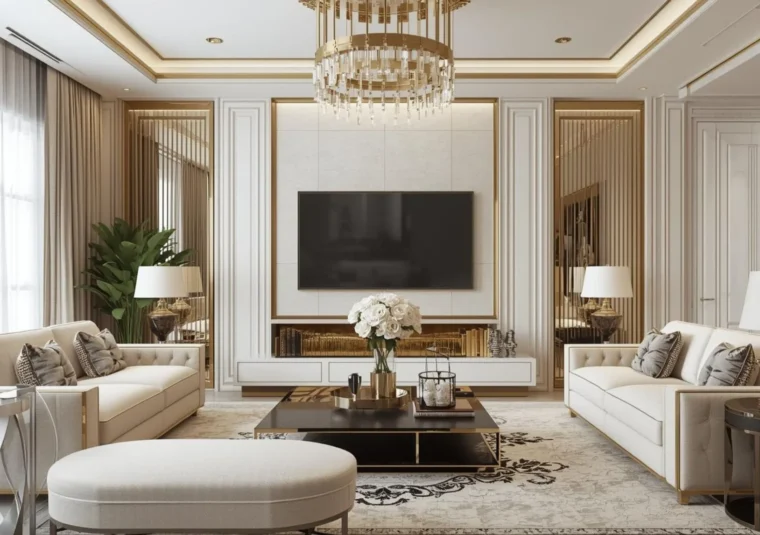
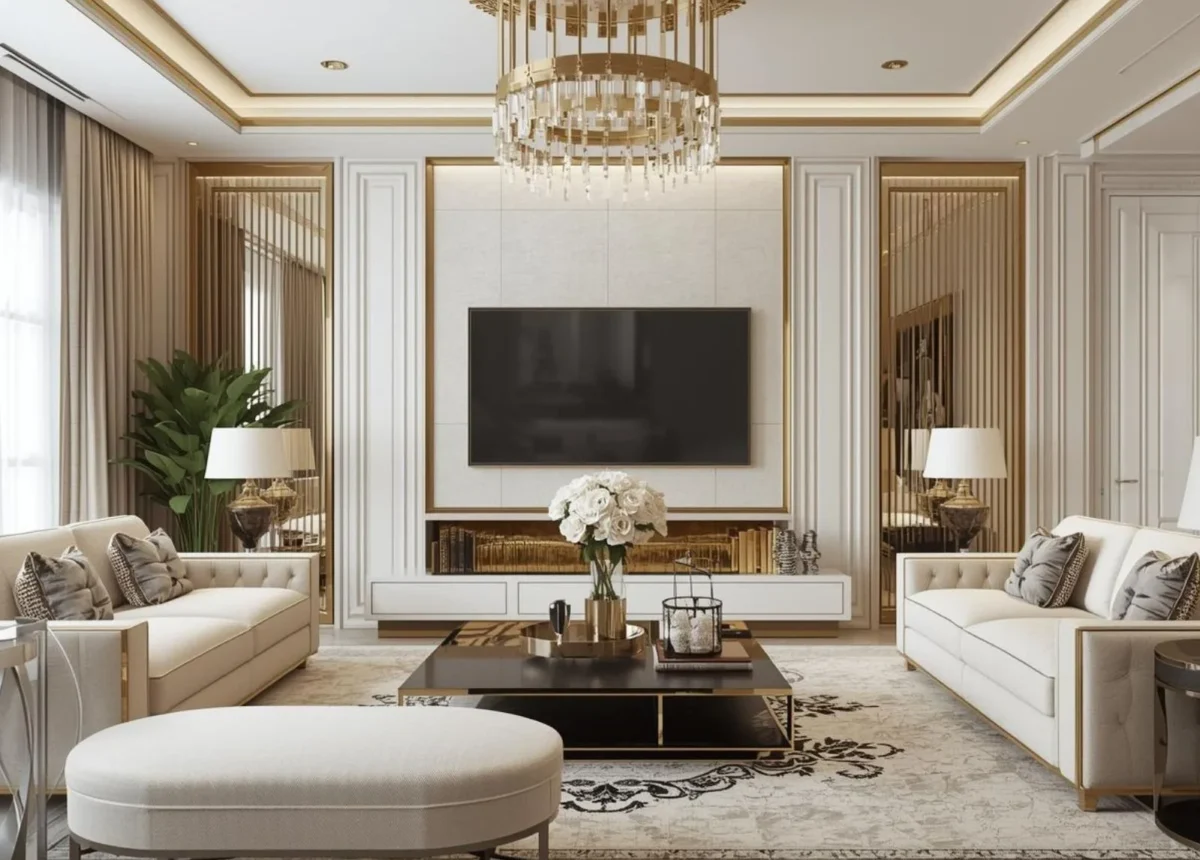
Keeping up with the latest interior design trends can feel overwhelming, especially when every year brings a new set of styles, colors, and layouts to consider. But you don’t need to redo your entire home to stay current — small, intentional updates go a long way.
This year’s interior design trends lean toward warmth, sustainability, and functionality over flashy, short-lived styles. Homeowners are choosing spaces that feel personal and livable rather than purely “Instagram-ready.”
In this guide, we’ll walk through the biggest interior design trends shaping homes right now, along with practical ways to apply them — whether you’re doing a full renovation or a simple room refresh.
Why Interior Design Trends Are Shifting Toward Function
Unlike previous years focused heavily on aesthetics alone, current interior design trends are being shaped by how people actually live and work at home.
- Remote and hybrid work has increased demand for functional home offices
- Smaller living spaces in cities are driving multi-purpose room design
- Sustainability awareness is influencing material and furniture choices
- Wellness-focused design is prioritizing natural light and air quality
This shift means today’s trends are more practical and longer-lasting than fleeting design fads.
(Suggested internal link: link to an article on “Minimalist Home Decor Tips”)
Natural Materials and Earthy Textures
One of the strongest interior design trends this year is a move toward raw, natural materials over synthetic finishes.
- Exposed wood in furniture, flooring, and ceiling beams
- Rattan and cane furniture pieces for a warm, textured look
- Natural stone countertops and accent walls
- Handwoven textiles like jute rugs and cotton throws
These materials add depth and warmth to a space while aging gracefully compared to synthetic alternatives — a big reason they’ve stayed popular across multiple design cycles.
Warm, Earthy Color Palettes
Cool greys and stark whites are giving way to warmer, richer tones as one of the defining interior design trends of the year.
Popular Shades
- Terracotta and rust for accent walls and decor
- Warm olive and sage green for a grounded, nature-inspired feel
- Deep browns and caramel tones for furniture and textiles
- Warm off-whites as a versatile neutral base
These palettes work particularly well in Indian homes, complementing wooden furniture and natural light common in many households.
Multi-Functional and Flexible Spaces
With smaller urban homes becoming the norm, flexible layouts have become central to modern interior design trends.
- Fold-away furniture that adapts a room for different uses
- Room dividers that create separate zones without permanent walls
- Convertible home offices that double as guest rooms
- Modular seating that rearranges for different occasions
This trend reflects a broader shift: design is being judged less on how a space looks and more on how well it adapts to daily life.
(Suggested internal link: link to an article on “How to Choose Multi-Functional Furniture for Small Homes”)
Statement Lighting as a Design Centerpiece
Lighting has moved beyond a purely functional role and become a key design statement in current interior design trends.
- Sculptural pendant lights as a room’s focal point
- Layered lighting combining ambient, task, and accent sources
- Warm-toned LED bulbs replacing harsh white lighting
- Statement floor lamps in living rooms and reading corners
A single well-chosen light fixture can now do the work that multiple decor pieces used to — making it a cost-effective way to update a room’s entire feel.
Curved Furniture and Organic Shapes
Sharp, angular furniture is softening into rounded, organic forms — a noticeable shift among recent interior design trends.
- Curved sofas replacing traditional straight-lined seating
- Round or oval coffee tables instead of rectangular ones
- Arched mirrors and doorways for softer visual lines
- Organic-shaped decor like asymmetrical vases and bowls
This trend is partly driven by comfort — curved furniture tends to feel more inviting and less rigid in everyday living spaces.
Sustainable and Eco-Conscious Design Choices
Sustainability has moved from a niche preference to a mainstream driver of interior design trends.
- Upcycled and repurposed furniture instead of buying new
- Locally sourced materials to reduce environmental impact
- Energy-efficient lighting and appliances
- Low-VOC paints for healthier indoor air quality
More homeowners are choosing durability and repairability over disposable, trend-only furniture — a shift that benefits both the environment and long-term budgets.
(Suggested internal link: link to an article on “Small Apartment Decorating Ideas on a Budget”)
How to Apply These Trends Without a Full Renovation
You don’t need a complete overhaul to bring current interior design trends into your home.
- Start with one accent wall in a trending earthy tone
- Swap out one major lighting fixture for a statement piece
- Add natural textures through rugs, cushions, or a wooden accent piece
- Introduce one curved furniture piece, like a round coffee table
Small, focused changes let you test a trend before committing to a larger investment.
Frequently Asked Questions
1. What are the biggest interior design trends this year? Natural materials, warm earthy colors, curved furniture, and multi-functional layouts are among the most prominent trends currently shaping homes.
2. Are interior design trends different for small homes? Yes, small homes benefit most from flexible, multi-functional furniture and lighter color palettes that make spaces feel larger.
3. How can I update my home with current trends on a budget? Focus on small changes like an accent wall, statement lighting, or textured cushions rather than replacing all your furniture.
4. Is sustainable design really a lasting trend? Yes, sustainability has become a core consideration in design rather than a passing trend, driven by both environmental and cost concerns.
5. What colors are trending in interior design right now? Warm, earthy tones like terracotta, olive green, and caramel browns are currently popular, replacing cooler grey-based palettes.
6. Do interior design trends apply to rental homes too? Yes, renters can apply many trends through removable decor, lighting swaps, and furniture choices without making permanent changes.
Conclusion
Today’s interior design trends are less about chasing fleeting fads and more about creating homes that are warm, functional, and sustainable. From natural materials and earthy palettes to flexible layouts and statement lighting, these trends reflect how people actually want to live.
You don’t need a full renovation to benefit — start small, choose what resonates with your space, and build from there.
Ready to refresh your home? Pick one trend from this list and try it in a single room this month.