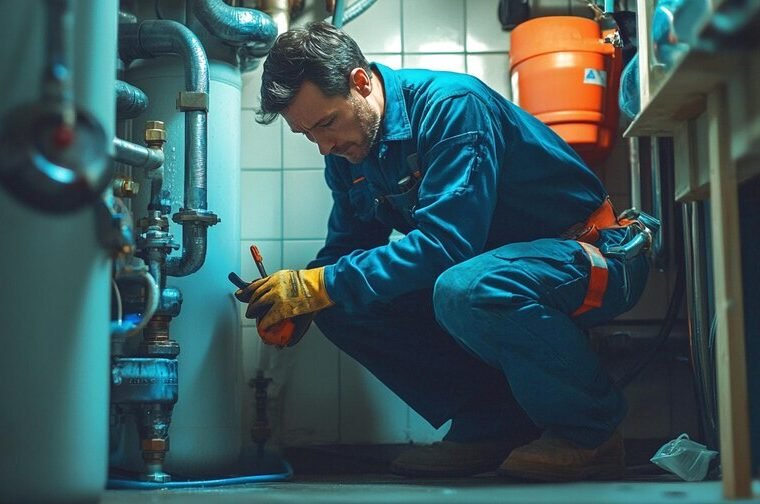
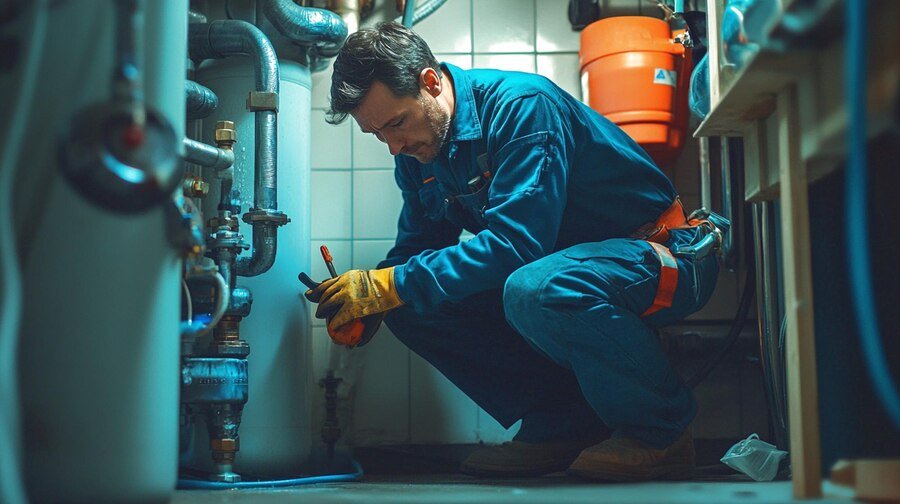
Knowing when to call a plumber can mean the difference between a quick fix and thousands of rupees in water damage repairs. While minor issues like a dripping tap can often wait, other problems demand immediate attention.
Many homeowners try to save money by ignoring plumbing warning signs, only to end up with bigger, costlier problems later. In this guide, we’ll cover exactly when to call a plumber immediately, the red flags to watch for, and what you can do while waiting for professional help to arrive.
Why Timing Matters in Plumbing Emergencies
Understanding when to call a plumber isn’t just about convenience — it’s about preventing damage that gets worse by the hour.
A small leak today can become a flooded floor tomorrow. Water damage also creates ideal conditions for mold, which affects both your home’s structure and your family’s health.
Here’s why acting fast matters:
- Water damage spreads quickly, especially in flooring and walls
- Mold growth can begin within 24–48 hours of standing water
- Small leaks often indicate larger pipe issues developing underneath
- Delayed action usually increases repair costs significantly
If you’re ever unsure whether a plumbing issue is urgent, it’s safer to call a professional than to wait and see.
No Water Coming Out of Taps
A complete loss of water supply is a clear sign of knowing when to call a plumber immediately, especially if it affects your entire home rather than a single tap.
Possible Causes
- Main supply line blockage or damage
- Frozen pipes (in colder regions)
- Municipal supply issues combined with a faulty inlet valve
- A burst pipe somewhere in the system
If neighbours have water but you don’t, the problem is likely isolated to your home’s plumbing and needs professional diagnosis.
Sewage Backup or Foul Smell
A sewage backup is one of the most urgent situations where knowing when to call a plumber can protect your family’s health.
Warning Signs of Sewage Issues
- Water backing up in sinks, tubs, or floor drains
- Persistent foul odor near drains
- Gurgling sounds coming from toilets or pipes
- Multiple drains clogging at the same time
This usually points to a main sewer line blockage, which is not a DIY fix and needs immediate professional attention due to health hazards.
(Suggested internal link: link to a related article on “Common Plumbing Problems and How to Fix Them Yourself”)
Burst or Leaking Pipes
A burst pipe is an unmistakable sign of when to call a plumber immediately, as it can flood a room within minutes.
What to Do While Waiting
- Shut off the main water supply valve right away
- Turn off electricity in the affected area if water is near outlets
- Move furniture and valuables away from the leak
- Use towels or buckets to control water spread until the plumber arrives
Even a small, persistent leak inside a wall can signal a bigger pipe problem and shouldn’t be ignored.
No Hot Water at All
If your geyser or water heater suddenly stops producing hot water entirely, it’s often a sign you need professional plumbing help.
Common Causes
- Faulty heating element
- Thermostat failure
- Sediment buildup restricting heat flow
- Gas connection issues (for gas water heaters)
While some heater issues are DIY-fixable, a complete loss of hot water combined with strange smells or sounds is a strong sign it’s time to call a plumber rather than attempt repairs yourself.
Water Stains, Dampness, or Mold on Walls
Unexplained water stains or damp patches on walls and ceilings often indicate hidden pipe leaks — a key sign of when to call a plumber before the damage spreads further.
Signs to Watch For
- Yellow or brown stains on ceilings
- Peeling paint or bubbling wallpaper
- Musty smell in a specific room
- Soft or spongy patches on walls
These signs often mean water has been leaking inside the wall for a while, which requires a plumber to locate and repair the source before structural damage worsens.
(Suggested internal link: link to a related article on “How to Spot Hidden Water Leaks at Home”)
Unusually High Water Bills
A sudden, unexplained spike in your water bill is a quieter but important sign of when to call a plumber.
What It Could Mean
- A hidden leak in underground or wall pipes
- A running toilet that’s gone unnoticed
- A slow leak in an outdoor tap or irrigation line
If you’ve checked visible fixtures and the bill remains high, a plumber can use leak detection tools to find issues you can’t see.
Gas Smell Near Water Heater or Pipes
If you smell gas near your water heater or gas-connected plumbing, this is an emergency situation requiring both a plumber and immediate safety precautions.
Immediate Steps to Take
- Turn off the gas supply if it’s safe to do so
- Open windows and doors for ventilation
- Leave the area and avoid using electrical switches
- Call a licensed plumber or gas technician immediately
This is one situation where knowing when to call a plumber is not optional — safety comes first, always.
Frequently Asked Questions
1. When should I call a plumber immediately instead of waiting? Call a plumber right away for burst pipes, sewage backups, complete water loss, gas smells, or visible water damage on walls and ceilings, as these can worsen quickly.
2. Is a running toilet an emergency that needs a plumber? Not usually an emergency, but it should be fixed soon since it wastes water and can indicate a failing valve that may worsen over time.
3. How do I know if a leak is serious enough for a plumber? If the leak is spreading, causing water stains, coming from inside a wall, or you can’t identify the source, it’s best to call a plumber rather than attempt a DIY fix.
4. Can a plumbing issue really cause mold in my home? Yes, standing water or hidden leaks can lead to mold growth within 24–48 hours, making prompt plumbing repairs important for health reasons too.
5. What should I do while waiting for a plumber to arrive? Shut off the main water supply, move valuables away from the affected area, and use towels or buckets to minimize water damage until help arrives.
6. Are sudden high water bills always linked to plumbing problems? Often yes — hidden leaks, running toilets, or outdoor pipe issues are common causes, and a plumber can help locate the source using leak detection tools.
Conclusion
Knowing when to call a plumber immediately can save your home from serious water damage, health hazards, and unexpected repair costs. Warning signs like burst pipes, sewage backups, gas smells, and sudden water loss should never be ignored or left for later.
While minor plumbing issues can often wait for a convenient time, the situations covered in this guide need urgent professional attention.
If you’re experiencing any of these warning signs right now, don’t wait — call a licensed plumber today and protect your home before the problem gets worse.