
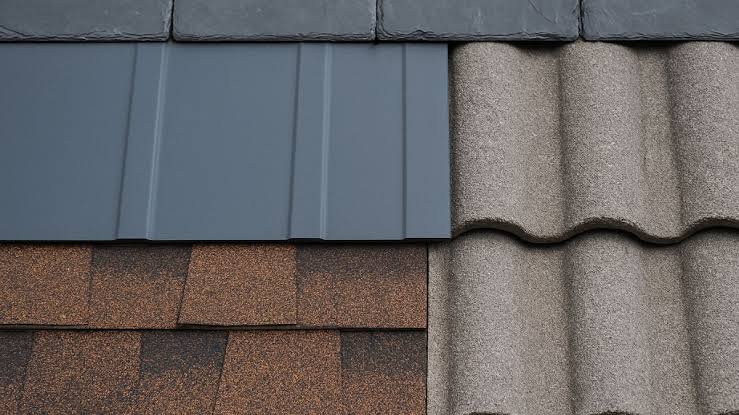
Choosing the right roof for your home starts with understanding your options, which is why a clear roofing materials comparison matters so much before construction or replacement begins. With so many materials available, each offering different benefits, making the right choice can feel confusing without proper guidance.
This roofing materials comparison breaks down the most common options based on cost, durability, maintenance needs, and suitability for different climates. Whether you’re building a new home or replacing an aging roof, this guide will help you choose confidently.
Why a Roofing Materials Comparison Matters
Before diving into specific materials, it helps to understand why a proper roofing materials comparison is worth the time investment.
Your roof isn’t just a design element — it directly affects your home’s durability, energy efficiency, and long-term maintenance costs.
- Different materials perform differently in heat, rain, and humidity
- Upfront cost doesn’t always reflect long-term value
- Maintenance requirements vary significantly between material types
- Climate suitability affects both performance and lifespan
Taking time to compare options properly ensures you choose a roofing material that fits both your budget and your local weather conditions.
(Internal link opportunity: link to “Signs Your Roof Needs Repair or Replacement” here)
Concrete and RCC Roofing
Concrete or reinforced cement concrete (RCC) roofing remains one of the most common choices in Indian residential construction, making it a key starting point in any roofing materials comparison.
Advantages:
- Extremely durable and long-lasting
- Excellent resistance to heavy monsoon rains
- Strong structural support for additional floors
- Minimal maintenance once properly constructed
Considerations:
RCC roofing requires significant upfront construction investment and professional expertise. It’s best suited for permanent structures rather than quick or budget-friendly builds.
Clay and Terracotta Tiles
Clay tiles offer a traditional, aesthetically distinct option in this roofing materials comparison, popular in many regional architectural styles across India.
Advantages:
- Naturally resistant to heat, helping keep interiors cooler
- Long lifespan when properly maintained
- Environmentally friendly, made from natural materials
- Distinctive appearance suited to traditional and coastal homes
Considerations:
Clay tiles are heavier than other materials, requiring stronger structural support. They can also be more fragile and prone to cracking under impact.
Metal Roofing Sheets
Metal roofing, including galvanized iron and aluminum sheets, is a practical option worth including in any roofing materials comparison, especially for cost-conscious projects.
Advantages:
- Lightweight compared to concrete or tile options
- Relatively quick and affordable to install
- Good durability against rain and wind
- Available in various finishes and colors
Considerations:
Metal roofing can retain heat in direct sunlight and may produce noise during heavy rainfall unless properly insulated. Rust resistance also depends on coating quality.
(Internal link opportunity: link to “Home Maintenance Checklist” here)
Asphalt Shingles
Asphalt shingles are widely used in various climates and represent a versatile mid-range option in this roofing materials comparison.
Advantages:
- Relatively affordable compared to premium materials
- Available in multiple colors and styles
- Easier installation compared to concrete or tile
- Reasonable durability for moderate climates
Considerations:
Asphalt shingles may not perform as well in extremely hot climates and typically have a shorter lifespan compared to concrete or clay options.
Polycarbonate and Fiber Sheets
For specific applications like sheds, parking areas, or extensions, polycarbonate and fiber sheets are practical additions to this roofing materials comparison.
Advantages:
- Lightweight and easy to install
- Allows natural light through translucent options
- Cost-effective for non-primary structures
- Good resistance to weather when properly installed
Considerations:
These materials are generally better suited for secondary structures rather than primary residential roofing, due to lower durability compared to concrete or tile options.
Comparing Cost, Durability, and Maintenance
To simplify this roofing materials comparison, it helps to evaluate materials across three key factors that matter most to homeowners.
Cost considerations:
- Concrete and clay tiles typically involve higher upfront costs
- Metal and asphalt options are generally more budget-friendly
- Long-term maintenance costs should factor into overall budgeting
Durability considerations:
- Concrete and clay tiles often last the longest with proper care
- Metal roofing offers solid durability at a lower initial cost
- Asphalt and fiber sheets generally have shorter lifespans
Maintenance considerations:
- Concrete roofing requires minimal ongoing maintenance
- Clay tiles may need occasional replacement of cracked pieces
- Metal roofing benefits from periodic rust inspection
- Asphalt shingles need monitoring for wear over time
How to Choose the Right Roofing Material
After reviewing this roofing materials comparison, narrowing down your choice comes down to a few practical considerations specific to your home.
Questions to guide your decision:
- What’s your total budget, including long-term maintenance?
- How extreme is your local climate, especially monsoon intensity?
- Is the roof for a primary structure or secondary space?
- Do you prioritize traditional aesthetics or modern practicality?
Answering these questions honestly helps you select a roofing material that balances cost, durability, and appearance based on your specific needs.
Suggested Image Placements
- Image 1: RCC roof under construction — Alt text: “roofing materials comparison RCC concrete roof”
- Image 2: Traditional clay tile roof on a home — Alt text: “roofing materials comparison clay tiles”
- Image 3: Metal roofing sheets installed on a house — Alt text: “roofing materials comparison metal sheets”
Frequently Asked Questions
1. Which roofing material lasts the longest? Concrete and clay tiles generally offer the longest lifespan among common options, provided they’re properly installed and maintained over time.
2. What is the most affordable roofing material? Metal roofing sheets and asphalt shingles are typically more affordable upfront compared to concrete or clay tile options.
3. Which roofing material works best for monsoon-heavy regions? Concrete and clay tiles tend to perform well in heavy rainfall, though proper drainage and waterproofing matter regardless of material choice.
4. Is metal roofing a good option for hot climates? Metal roofing can retain heat in direct sunlight, so proper insulation or reflective coatings are recommended for hot climate regions.
5. How do I decide between clay tiles and concrete roofing? Consider your budget, structural support capacity, and aesthetic preference, since both offer durability but differ significantly in weight and installation requirements.
6. Do all roofing materials require the same level of maintenance? No, maintenance needs vary significantly. Concrete typically requires the least upkeep, while materials like asphalt shingles need more regular monitoring.
Conclusion
A thoughtful roofing materials comparison helps you choose a roof that balances cost, durability, and climate suitability for your specific home. From durable concrete and traditional clay tiles to budget-friendly metal and asphalt options, each material offers distinct advantages depending on your priorities.
Take time to evaluate your budget, local climate, and long-term maintenance expectations before making a final decision.
Ready to choose your roofing material? Use this roofing materials comparison as a starting point and consult a professional to find the best fit for your home.