
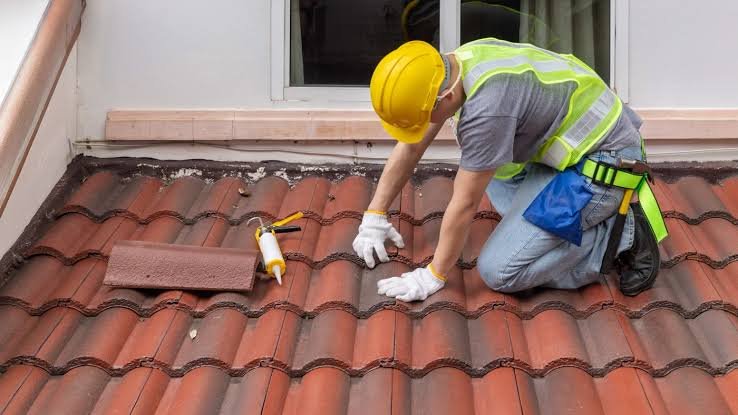
Not sure whether your roof needs a quick fix or a full replacement? Knowing the clear signs you need a new roof can save you from unexpected leaks, structural damage, and far more expensive repairs down the line.
Roofs don’t fail overnight. They show warning signals well before serious problems occur, but many homeowners miss them until water is already dripping through the ceiling. This guide walks through the most important signs you need a new roof, so you can act before minor issues turn into major expenses.
Why Identifying Roof Problems Early Matters
Catching the signs you need a new roof early can be the difference between a manageable repair and a costly structural overhaul.
Roofs face constant exposure to sun, rain, and temperature changes, especially during India’s intense summers and heavy monsoon seasons.
- Early detection prevents water damage to interior walls and ceilings
- Timely repairs are significantly cheaper than full replacements
- A well-maintained roof protects your home’s structural integrity
- Delayed action often leads to mold growth and health concerns
Understanding these warning signs helps you make informed decisions before problems escalate beyond simple repairs.
(Internal link opportunity: link to “Roofing Materials Comparison” here)
Visible Leaks and Water Stains
One of the most obvious signs you need a new roof is the presence of leaks or water stains inside your home.
What to look for:
- Brown or yellow stains on ceilings or upper walls
- Damp patches that appear after rainfall
- Peeling paint or bubbling on ceiling surfaces
- Musty odors suggesting hidden moisture buildup
What this means:
Occasional small leaks might be repairable, but recurring leaks in multiple areas often indicate widespread roof deterioration rather than an isolated issue.
Missing, Cracked, or Curling Shingles
For homes with shingle roofing, damaged shingles are among the clearest signs you need a new roof rather than a simple patch job.
Signs of shingle damage:
- Shingles that are cracked, curling, or completely missing
- Bald spots where granules have worn away
- Shingles that appear discolored or unevenly weathered
- Debris or granules collecting in gutters
When to consider replacement:
If damage is isolated to a small area, repair may suffice. However, widespread shingle deterioration across the roof usually signals it’s time for full replacement.
Sagging Roof Deck
A sagging or uneven roofline is one of the more serious signs you need a new roof, often pointing to structural issues beneath the surface.
Causes of sagging:
- Prolonged water damage weakening the roof structure
- Excessive weight from debris, water pooling, or old roofing layers
- Deteriorated support beams or rafters
Why this is urgent:
Sagging indicates structural compromise, not just surface damage. This issue requires immediate professional inspection, as delaying repairs can lead to more serious safety risks.
(Internal link opportunity: link to “Home Maintenance Checklist” here)
Roof Age and Overall Lifespan
Age alone is one of the most reliable signs you need a new roof, even without visible damage.
General lifespan guidelines:
- Different roofing materials have varying life expectancies
- Roofs nearing the end of their expected lifespan become more vulnerable to damage
- Older roofs often show cumulative wear that isn’t immediately visible
What to do:
If your roof is approaching or has surpassed its typical lifespan, even minor issues are worth taking seriously, since the underlying structure may already be weakened.
Increased Energy Bills
An often-overlooked indicator among the signs you need a new roof is a noticeable rise in energy bills without any other explanation.
Why this happens:
- Damaged or deteriorated roofing reduces insulation effectiveness
- Gaps or damage allow heat to enter more easily during summer
- Poor ventilation from roof damage strains cooling systems
What to check:
If your cooling costs have increased significantly and other causes have been ruled out, your roof’s condition may be contributing to the problem.
Visible Light Through the Roof
If sunlight is visible through your attic or roof boards, this is one of the more alarming signs you need a new roof.
What this indicates:
- Gaps or holes in the roofing material
- Potential entry points for water and pests
- Compromised structural integrity in affected areas
Immediate action needed:
Visible light through the roof usually means immediate repair or replacement is necessary, as these gaps allow both water and pests direct access to your home’s interior.
Mold, Algae, or Moss Growth
Persistent growth on your roof’s surface is another one of the common signs you need a new roof, particularly in humid climates.
What to watch for:
- Dark streaks or patches on roofing material
- Moss growth in shaded or damp areas
- Algae buildup that doesn’t clear with cleaning
Why it matters:
While some surface growth can be cleaned, persistent regrowth often indicates trapped moisture beneath the roofing material, which can accelerate deterioration if left untreated.
Suggested Image Placements
- Image 1: Water stain on ceiling from roof leak — Alt text: “signs you need a new roof water stain”
- Image 2: Cracked and curling roof shingles — Alt text: “signs you need a new roof damaged shingles”
- Image 3: Sagging roofline on residential home — Alt text: “signs you need a new roof sagging structure”
Frequently Asked Questions
1. What are the most common signs you need a new roof? Persistent leaks, sagging areas, damaged shingles, and visible light through the roof are among the most common and urgent signs you need a new roof.
2. How do I know if my roof needs repair or full replacement? Isolated damage in a small area often only needs repair, while widespread deterioration, sagging, or multiple leak points typically indicate it’s time for replacement.
3. How long does a typical roof last before replacement is needed? Lifespan varies significantly based on roofing material, climate exposure, and maintenance history, so regular inspections help determine the right timeline for your specific roof.
4. Can I inspect my roof myself for damage? You can check for visible signs like stains, missing shingles, or sagging from the ground or attic, but a professional inspection is recommended for a thorough assessment.
5. Does monsoon season affect how quickly I need a new roof? Yes, heavy monsoon rains can accelerate existing roof damage, making pre-monsoon inspections especially important for catching issues early.
6. Is it cheaper to repair a roof than replace it? Repairs are generally cheaper for isolated issues, but repeated repairs on an aging or widely damaged roof often cost more over time than a single replacement.
Conclusion
Recognizing the early signs you need a new roof — from water stains to sagging structures — helps you avoid costly emergency repairs and protects your home’s overall integrity. Regular inspections, especially before monsoon season, make it easier to catch problems while they’re still manageable.
If you’ve noticed any of these warning signs, don’t wait for the damage to worsen.
Ready to assess your roof’s condition? Schedule a professional inspection today to determine whether repair or replacement is the right choice for your home.