
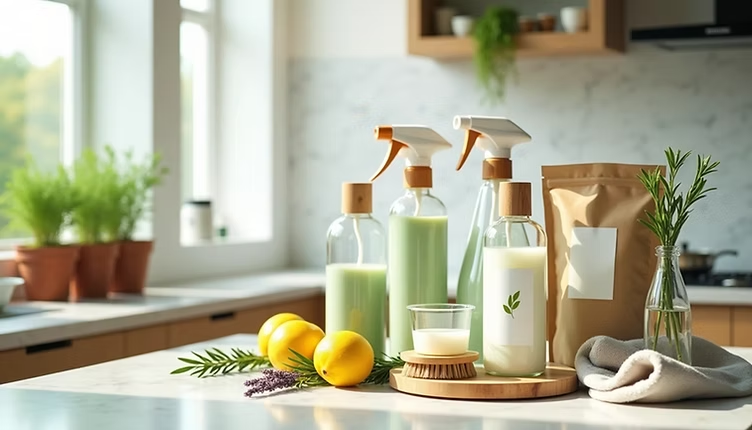
Switching to eco-friendly cleaning products sounds great in theory — but do they really clean as well as the harsh chemical sprays sitting under your sink? That’s the question most Indian households ask before making the switch.
The good news is yes, the right eco-friendly cleaning products can match, and sometimes beat, conventional cleaners. They’re gentler on your skin, safer for kids and pets, and better for the environment. In this guide, we’ll break down exactly which products work, why they work, and how to build a cleaning routine that’s both effective and sustainable.
Why Eco-Friendly Cleaning Products Are Worth the Switch
Most conventional cleaners contain ammonia, chlorine, and synthetic fragrances that irritate lungs and skin. Over time, these chemicals also drain into water systems, harming aquatic life.
Eco-friendly cleaning products use plant-based surfactants, essential oils, and biodegradable ingredients instead. This means:
- Lower risk of respiratory irritation
- Safer for homes with children, pets, or elderly family members
- Reduced plastic waste (many brands use refillable packaging)
- Less water pollution from chemical runoff
For urban Indian households dealing with dust and pollution daily, choosing cleaners that don’t add indoor air toxins is a small but meaningful health decision.
How to Identify Cleaning Products That Actually Work
Not everything labelled “green” or “natural” is effective. Here’s what to check before buying eco-friendly cleaning products:
Look for Certified Ingredients
Check for certifications like Ecocert, USDA BioPreferred, or India’s own eco-labels. These confirm the product meets biodegradability and safety standards, not just marketing claims.
Check the Ingredient List
Effective eco-friendly cleaners typically list:
- Plant-derived surfactants (like coco-glucoside)
- Citric acid or vinegar for grease-cutting
- Baking soda for scrubbing power
- Essential oils (tea tree, lemon, eucalyptus) for antibacterial action
Avoid Vague Green Claims
Words like “natural” or “eco” alone mean nothing without ingredient transparency. Always flip the bottle and read the label.
Best Eco-Friendly Cleaning Products by Category
Here’s a category-wise breakdown of eco-friendly cleaning products that genuinely deliver results.
1. All-Purpose Cleaners
Vinegar and citrus-based all-purpose sprays cut through kitchen grease and bathroom grime effectively. Brands using enzyme-based formulas break down organic stains faster than plain soap-water mixes.
2. Floor Cleaners
Plant-based floor cleaners with neem or eucalyptus oil disinfect while leaving a pleasant, non-toxic scent — ideal for homes with crawling babies or pets.
3. Dishwashing Liquids
Coconut-oil-based dish soaps cut grease well and are gentler on hands, reducing dryness and irritation common with sulfate-heavy dish soaps.
4. Toilet and Bathroom Cleaners
Citric acid-based toilet cleaners remove hard water stains and limescale just as effectively as bleach-based products, without the harsh fumes.
(Suggested internal link: link to a related article on “Best Natural Disinfectants for Indian Homes”)
DIY Eco-Friendly Cleaning Solutions That Work
If you want to skip store-bought products entirely, these homemade eco-friendly cleaning products are budget-friendly and effective:
- All-purpose spray: Mix equal parts white vinegar and water with a few drops of lemon essential oil.
- Scrubbing paste: Combine baking soda with a little water to tackle stubborn stains on sinks and stovetops.
- Glass cleaner: Mix vinegar, water, and a teaspoon of cornstarch for streak-free windows and mirrors.
- Floor cleaner: Add a few drops of neem oil to warm water with a splash of vinegar.
These DIY eco-friendly cleaning products cost a fraction of branded options and avoid unnecessary packaging waste.
(Suggested internal link: link to a related article on “DIY Home Cleaning Hacks Using Kitchen Ingredients”)
Common Mistakes to Avoid When Switching to Green Cleaning
Many people give up on eco-friendly cleaning products too early because of these avoidable mistakes:
- Expecting instant fizz-and-foam results — natural cleaners often work through slower chemical reactions, not foam.
- Using too little product — plant-based formulas sometimes need a slightly higher quantity for tough stains.
- Not letting the cleaner sit — enzyme and citrus-based cleaners often need 5–10 minutes of contact time to break down grime.
- Mixing vinegar with castile soap — this causes a curdling reaction and reduces cleaning effectiveness.
Understanding these small details makes a huge difference in how well eco-friendly cleaning products perform.
Budget-Friendly Ways to Go Green with Cleaning
Eco-friendly cleaning products don’t have to be expensive. Here’s how to save money while going green:
- Buy concentrated formulas and dilute them yourself
- Reuse spray bottles instead of buying new ones each time
- Make DIY versions for basic cleaning tasks
- Buy in bulk from local eco-stores or refill stations
- Choose multi-purpose cleaners instead of buying a separate bottle for every surface
This approach keeps your cleaning routine sustainable for both the planet and your wallet.
How to Build a Simple Eco-Friendly Cleaning Routine
A sustainable cleaning routine doesn’t need to be complicated. Try this weekly structure:
- Daily: Wipe kitchen counters with a vinegar-based spray
- Every 2–3 days: Mop floors with a plant-based floor cleaner
- Weekly: Deep clean bathroom with citric acid cleaner and baking soda scrub
- Monthly: Wash cleaning cloths and replace any worn-out reusable tools
Consistency matters more than intensity — small, regular use of eco-friendly cleaning products keeps your home spotless without chemical overload.
(Suggested internal link: link to a related article on “Weekly Home Cleaning Checklist for Indian Households”)
Frequently Asked Questions
1. Are eco-friendly cleaning products as effective as chemical cleaners? Yes, when formulated correctly with ingredients like citric acid, enzymes, and essential oils, eco-friendly cleaning products can match the cleaning power of chemical-based products for most household tasks.
2. Are eco-friendly cleaning products safe for babies and pets? Generally yes. Most plant-based formulas avoid harsh chemicals like ammonia and chlorine, making them safer around children and pets, though it’s still best to keep any cleaner out of direct reach.
3. Do eco-friendly cleaning products cost more than regular ones? Some branded options cost slightly more upfront, but concentrated formulas and DIY alternatives often make eco-friendly cleaning more affordable over time.
4. Can I make eco-friendly cleaning products at home? Yes. Simple ingredients like vinegar, baking soda, citric acid, and essential oils can be combined to make effective all-purpose, glass, and floor cleaners.
5. How do I know if a cleaning product is genuinely eco-friendly? Check for recognized certifications, transparent ingredient lists, and biodegradable packaging rather than relying on vague terms like “natural” or “green.”
6. Do eco-friendly cleaners kill germs effectively? Many plant-based ingredients like tea tree oil, eucalyptus, and citric acid have natural antibacterial properties, though for high-risk areas, look for products specifically tested for disinfecting.
Conclusion
Eco-friendly cleaning products have come a long way — they’re no longer a compromise between effectiveness and sustainability. From plant-based all-purpose sprays to simple DIY solutions using vinegar and baking soda, there’s an eco-friendly option for every cleaning task in your home.
The key is knowing what to look for: real ingredient transparency, proper usage techniques, and a bit of patience as natural formulas work their magic.
Start small — swap one product at a time, whether it’s your dish soap or floor cleaner — and build a cleaning routine that’s healthier for your family and kinder to the planet.
Ready to make the switch? Try one DIY eco-friendly cleaning recipe from this guide this week and see the difference for yourself.