
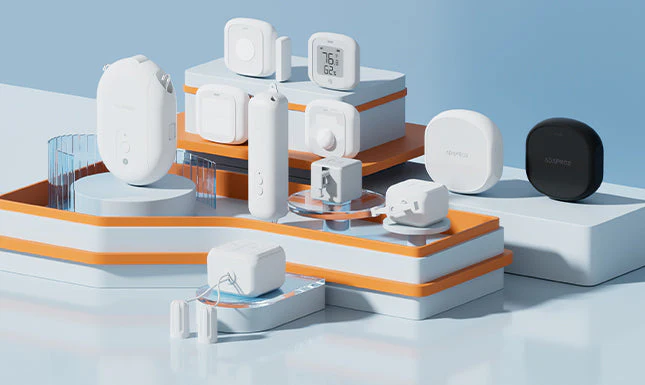
Thinking about upgrading your home’s protection with smart home security devices but unsure where to start? With so many options available, it’s easy to feel overwhelmed by features, brands, and price points.
This guide simplifies things by breaking down the smart home security devices that genuinely add value, helping you build a system that fits your home, budget, and lifestyle. Whether you’re starting from scratch or upgrading an existing setup, these are the categories worth prioritizing.
Why Invest in Smart Home Security
Before exploring specific products, it’s worth understanding why smart home security has become a priority for so many households today.
Traditional security methods, like basic locks and manual alarms, no longer offer the same level of convenience or real-time protection.
- Remote monitoring lets you check your home from anywhere
- Instant alerts notify you of unusual activity immediately
- Integration between devices creates a more complete security network
- Many systems double as convenience tools, not just protection
These benefits make smart home security a practical investment, not just a luxury upgrade, for modern households.
(Internal link opportunity: link to “Best Home Security Systems for Renters vs Homeowners” here)
Smart Security Cameras
Cameras are often the foundation of any smart home security setup, offering visual monitoring both indoors and outdoors.
What to look for:
- High-definition video quality for clear footage
- Night vision for low-light monitoring
- Motion-activated recording to save storage space
- Weatherproof design for outdoor cameras
Placement tips:
Position cameras at main entry points, such as front doors and gates, along with any secondary entrances like back doors or ground-floor windows. This coverage forms the backbone of effective smart home security.
Smart Video Doorbells
Video doorbells have become one of the most popular smart home security devices due to their convenience and ease of installation.
Key benefits:
- See and speak with visitors remotely through a mobile app
- Receive alerts when someone approaches your door
- Deter potential intruders with visible camera presence
- Review recorded footage of missed visitors or deliveries
Many video doorbells now include package detection features, which is especially useful for households that receive frequent deliveries.
Smart Locks
Smart locks are a valuable addition to any smart home security system, replacing traditional keys with more flexible access options.
Advantages of smart locks:
- Keyless entry using PIN codes, fingerprints, or mobile apps
- Temporary access codes for guests or service providers
- Activity logs showing who entered and when
- Remote locking and unlocking capability
Considerations before buying:
Check compatibility with your existing door hardware, and consider battery backup options in case of power outages, which are common in many areas.
(Internal link opportunity: link to “DIY Home Improvement Projects for Beginners” here)
Motion Sensors and Alarms
Motion sensors add an extra layer of protection to any smart home security setup, especially for detecting movement in specific zones.
Types of motion sensors:
- Indoor sensors for hallways and living areas
- Outdoor sensors for gates, driveways, and gardens
- Window and door sensors that detect unauthorized opening
- Glass break sensors for additional window protection
Why they matter:
Motion sensors trigger instant alerts, allowing faster response times compared to relying solely on camera footage after an incident occurs.
Smart Lighting for Security
Lighting plays an underrated role in smart home security, often overlooked in favor of cameras and locks.
Security benefits of smart lighting:
- Automated schedules simulate occupancy when you’re away
- Motion-activated outdoor lights deter potential intruders
- Remote control allows you to turn lights on from anywhere
- Integration with cameras enhances night-time visibility
Smart lighting is often an affordable entry point into smart home security, since it requires minimal installation effort.
Central Hubs and App Integration
A central hub connects all your smart home security devices, allowing them to work together rather than operating as separate, disconnected tools.
Benefits of centralized control:
- Single app for monitoring cameras, locks, and sensors
- Automated routines, like locking doors at a set time
- Easier troubleshooting when all devices are managed together
- Better scalability as you add more devices over time
Choosing devices from the same ecosystem, or ones with broad compatibility, makes long-term smart home security management significantly easier.
(Internal link opportunity: link to “Signs Your Roof Needs Repair or Replacement” here)
How to Prioritize Your Smart Home Security Purchases
With multiple device categories available, it helps to prioritize based on your home’s specific vulnerabilities and budget.
Suggested priority order:
- Secure main entry points first with cameras and smart locks
- Add motion sensors for additional entry points and vulnerable areas
- Incorporate smart lighting for both security and convenience
- Expand with a central hub once core devices are in place
This step-by-step approach ensures your smart home security investment builds a solid foundation before adding advanced features.
Suggested Image Placements
- Image 1: Smart video doorbell installed at front door — Alt text: “smart home security video doorbell”
- Image 2: Smart lock with keypad entry — Alt text: “smart home security smart lock”
- Image 3: Mobile app showing connected security devices — Alt text: “smart home security app integration”
Frequently Asked Questions
1. What are the best smart home security devices to start with? Smart cameras and video doorbells are typically the best starting points, since they cover main entry points and offer immediate peace of mind.
2. Do smart home security devices require professional installation? Many devices, like cameras and smart locks, are designed for easy DIY installation, though some homeowners prefer professional setup for complex systems.
3. Are smart home security systems reliable during power outages? Many devices include battery backup, but it’s important to check this feature before purchasing, especially for smart locks and alarm systems.
4. How much should I budget for smart home security? Costs vary depending on the number and type of devices chosen, so it’s best to start with essential devices and expand gradually based on your budget.
5. Can smart home security devices work together from different brands? Some devices are compatible across brands, especially those supporting common smart home protocols, but checking compatibility before purchasing is recommended.
6. Is smart home security worth it for small homes or apartments? Yes, even compact spaces benefit from basic devices like video doorbells and door sensors, offering meaningful protection without complex installation.
Conclusion
Building an effective smart home security setup doesn’t require buying every device available. By prioritizing cameras, smart locks, motion sensors, and lighting based on your home’s specific needs, you can create a reliable system that grows with you over time.
Start with the essentials, focus on securing main entry points, and expand your smart home security setup gradually as your budget allows.
Ready to upgrade your home’s protection? Choose one smart home security device from this list and take the first step toward a safer, smarter home today.