Choosing the best home security systems depends heavily on one key factor: whether you own or rent your home. What works perfectly for a homeowner might not be practical — or even allowed — for someone renting an apartment.
This guide breaks down the best home security systems for both situations, helping you understand which options fit your living arrangement, budget, and long-term needs. Whether you’re securing a rented flat or a fully owned house, there’s a solution that fits.
Why Renters and Homeowners Need Different Security Approaches
Before comparing specific options, it helps to understand why the best home security systems aren’t one-size-fits-all.
Renters often face restrictions on drilling, wiring, or permanently altering property, while homeowners have more freedom to invest in permanent installations.
- Renters need portable, non-invasive security solutions
- Homeowners can invest in wired, integrated systems
- Lease agreements may restrict certain types of installations
- Long-term property ownership justifies higher upfront investment
Understanding these differences helps you avoid choosing a system that’s either impractical or unnecessarily expensive for your situation.
(Internal link opportunity: link to “Smart Home Security Devices Worth Buying” here)
Best Home Security Systems for Renters
For renters, the best home security systems prioritize flexibility, easy installation, and the ability to relocate the system when moving.
Ideal features for renters:
- Wireless, battery-powered devices with no drilling required
- Peel-and-stick or adhesive mounting options
- Portable systems that can be reinstalled at a new address
- Subscription-free or flexible monthly plans
Recommended device types:
- Wireless door and window sensors with adhesive backing
- Portable video doorbells that don’t require rewiring
- Standalone motion-sensor cameras with battery power
- Smart plug-in alarms that don’t need permanent installation
These options offer strong protection without violating lease terms or requiring landlord approval for structural changes.
Best Home Security Systems for Homeowners
Homeowners have more flexibility to invest in comprehensive, integrated setups. Among the best home security systems for owned properties, wired and professionally monitored options are common choices.
Ideal features for homeowners:
- Wired systems integrated into the home’s structure
- Professional monitoring services for 24/7 coverage
- Smart home integration across multiple devices
- Long-term investment in higher-capacity storage and coverage
Recommended device types:
- Wired security cameras with continuous recording
- Smart locks integrated with home automation systems
- Professionally monitored alarm systems
- Video doorbells connected to a permanent power source
Since homeowners aren’t restricted by lease agreements, they can choose systems built for long-term, whole-property coverage.
(Internal link opportunity: link to “Signs Your Roof Needs Repair or Replacement” here)
Key Features to Look for in Any Security System
Regardless of whether you’re renting or own your home, certain features consistently appear among the best home security systems.
Must-have features:
- Motion detection with real-time mobile alerts
- Night vision capability for low-light monitoring
- Two-way audio for remote communication
- Cloud or local storage options for recorded footage
Nice-to-have features:
- Integration with voice assistants
- Geofencing to automate arming and disarming
- Facial recognition for known visitors
- Weather-resistant design for outdoor units
Prioritizing these features ensures you choose a system that offers real protection, not just basic notifications.
Budget Considerations for Renters vs Homeowners
Cost is often the deciding factor when comparing the best home security systems for different living situations.
For renters:
- Lower upfront costs with portable, DIY-friendly devices
- Avoid long-term contracts since you may relocate
- Consider systems with minimal or no monthly subscription fees
For homeowners:
- Higher upfront investment justified by long-term use
- Professional monitoring plans may involve monthly fees
- Bundled smart home packages can offer better long-term value
Understanding your budget expectations helps narrow down the best home security systems without overspending on unnecessary features.
Installation and Setup Differences
Installation complexity varies significantly between renter-friendly and homeowner-focused options among the best home security systems available today.
Renter-friendly installation:
- No drilling or permanent mounting required
- Setup typically completed within an hour using mobile apps
- Devices can be easily removed and reinstalled elsewhere
Homeowner installation:
- May require professional installation for wired systems
- Integration with existing electrical and network infrastructure
- Longer setup time but more comprehensive coverage
Choosing a system that matches your installation capabilities prevents frustration and ensures the setup works as intended.
(Internal link opportunity: link to “DIY Home Improvement Projects for Beginners” here)
How to Choose the Right System for Your Situation
With so many options available, narrowing down the best home security systems requires evaluating a few key personal factors.
Questions to ask yourself:
- Do I own or rent my current property?
- What’s my realistic budget, including any subscription costs?
- How important is professional monitoring versus self-monitoring?
- Will I need to relocate this system in the near future?
Answering these questions honestly helps you avoid overspending on features you don’t need or underinvesting in protection your home requires.
Suggested Image Placements
- Image 1: Wireless door sensor installed without drilling — Alt text: “best home security systems for renters wireless sensor”
- Image 2: Wired security camera mounted outside a house — Alt text: “best home security systems for homeowners wired camera”
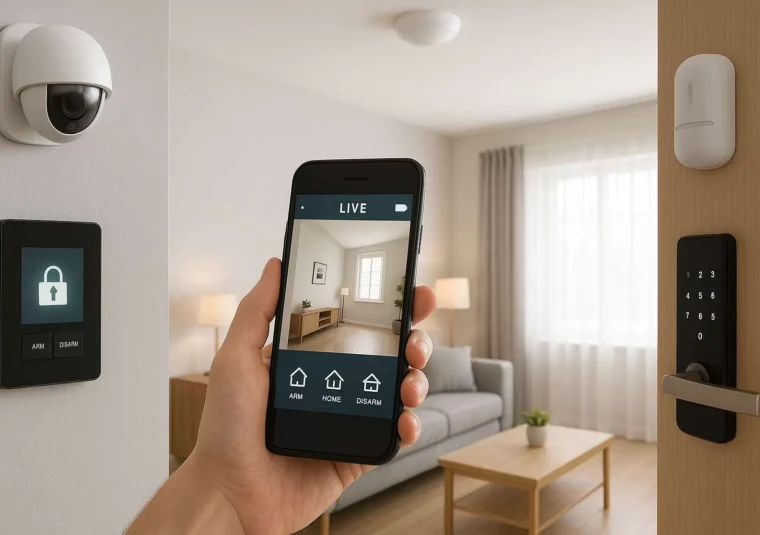
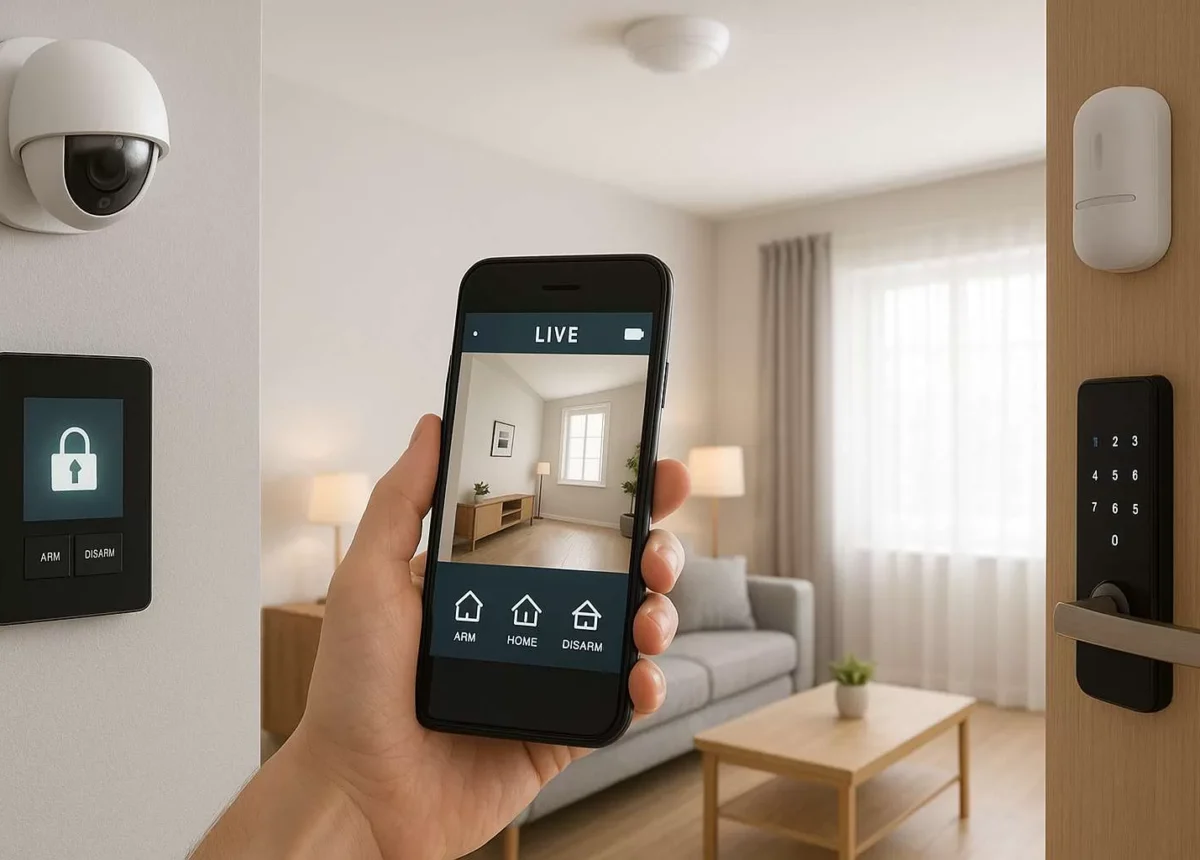
- Image 3: Person monitoring security app on smartphone — Alt text: “best home security systems mobile monitoring”
Frequently Asked Questions
1. What are the best home security systems for renters? Wireless, battery-powered devices like adhesive door sensors and portable cameras are among the best home security systems for renters since they require no permanent installation.
2. Are wired security systems better than wireless ones? Wired systems generally offer more reliable, continuous power and are well-suited for homeowners, while wireless systems offer flexibility better suited for renters.
3. Do I need professional monitoring for home security? Not necessarily. Self-monitored systems work well for many households, while professional monitoring adds extra security for those wanting 24/7 coverage.
4. Can renters install security cameras without landlord permission? This depends on lease terms and local regulations. Non-invasive, wireless options are generally safer choices for renters without needing structural changes.
5. How much do the best home security systems typically cost? Costs vary widely based on features, from basic wireless sensors to comprehensive wired systems with professional monitoring, so it’s best to compare based on your specific needs.
6. What’s the biggest difference between renter and homeowner security systems? The main difference lies in installation flexibility — renters need portable, non-permanent solutions, while homeowners can invest in integrated, wired systems.
Conclusion
Finding the best home security systems comes down to understanding your living situation, budget, and long-term needs. Renters benefit most from flexible, wireless solutions, while homeowners can invest in comprehensive, integrated setups built for long-term protection.
Take time to evaluate your specific requirements before choosing a system, and prioritize features that genuinely improve your home’s safety.
Ready to secure your home? Compare your options today and choose the best home security systems that fit your living situation and budget.